The narrative focuses on 60 rural women from 10 villages in the south-western coastal zone of Bangladesh who combat climate-induced vulnerabilities through agroecological practices and movements.
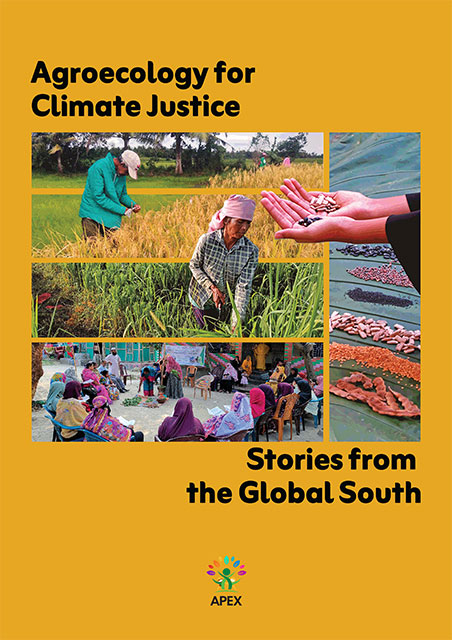
The narrative focuses on 60 rural women from 10 villages in the south-western coastal zone of Bangladesh who combat climate-induced vulnerabilities through agroecological practices and movements.
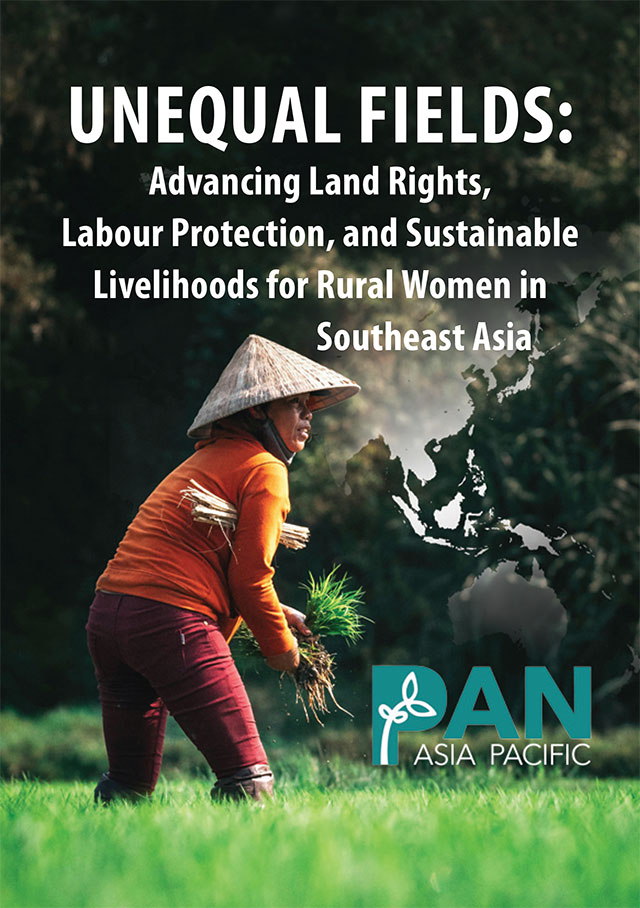
Unequal Fields amplifies the voices of rural women across Southeast Asia, exposing how landlessness, poverty wages, unsafe work, climate impacts, toxic pesticides, and the pandemic continue to deny them justice and protection. The report calls on governments to guarantee rural women’s rights, dignity, and equality.
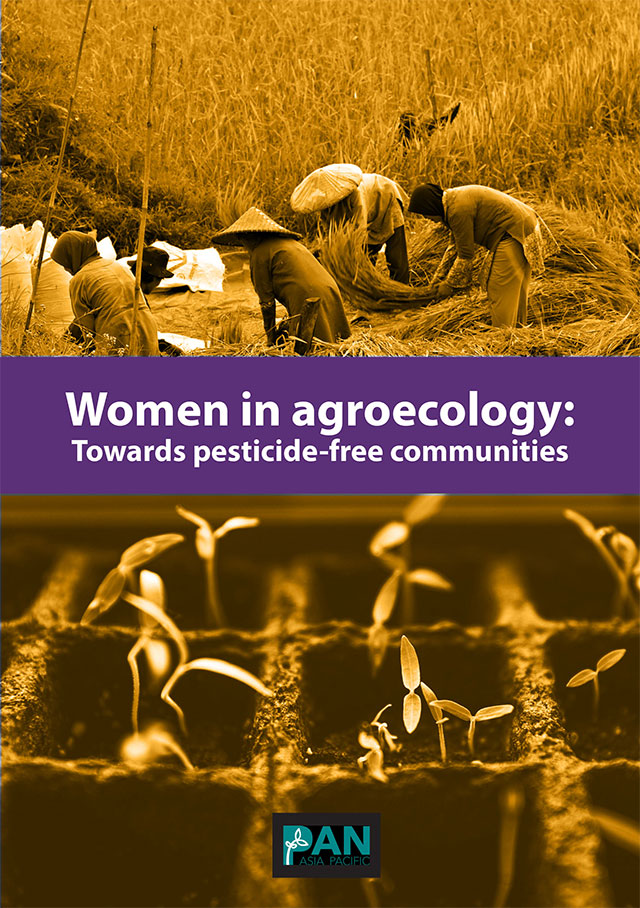
It features a compilation of stories of women who are survivors of pesticide poisoning and their journey to agroecology. Despite facing challenges, they have turned their sufferings into determination to reclaim what has been lost: whether it be their health, seeds, traditional knowledge, connection to land and community, or economic security.
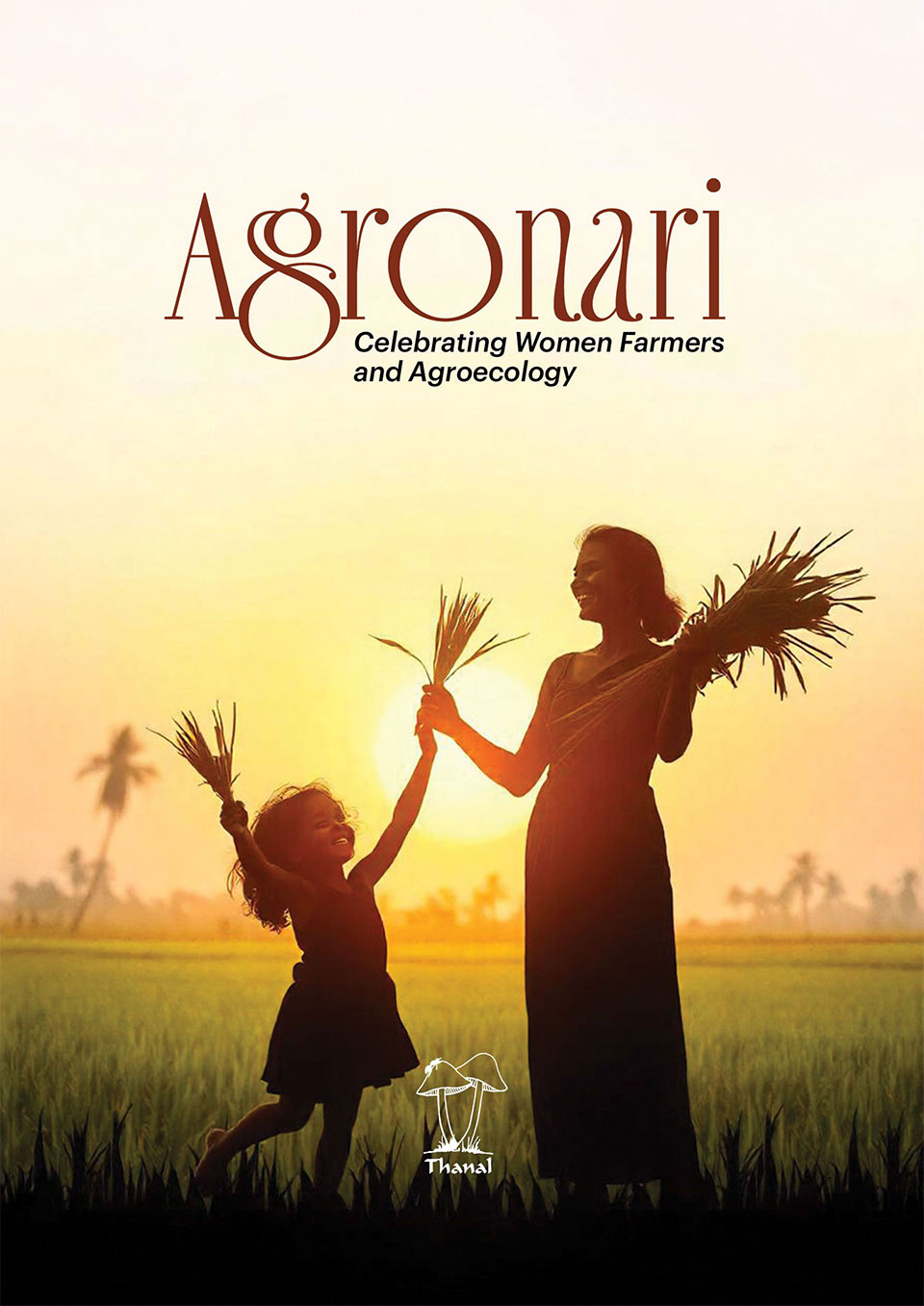
Thanal’s book is a collection of inspiring narratives of resilience, innovation, and leadership of women in Kerala, India who have embraced agroecology.
A compilation of quick and easy recipes for cooking one’s way through selected produce that form Good Food Community’s organic, local and seasonal harvest subscription.
This book is a short guide that captures the process of Good Food in setting up an alternative distribution system like Pamayanihan CSA to relocalize food economies in the Philippines.
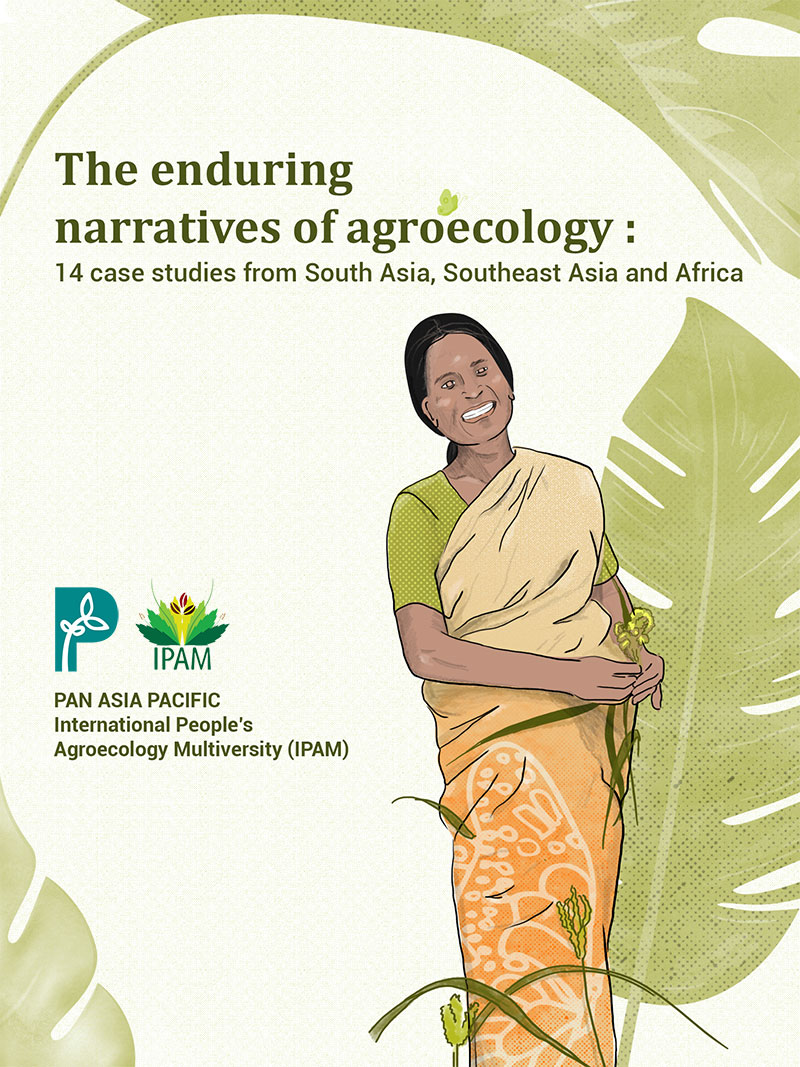
The Book gathers fourteen inspiring stories from six countries as evidence to the transformative power of biodiversity-based ecological agriculture on the economic, social and cultural life of farming communities. The case studies demonstrate how diversified agricultural systems helped farmers abandon chemical inputs, increase income from organic methods, improve soil health and biodiversity, develop climate-resilient production, […]
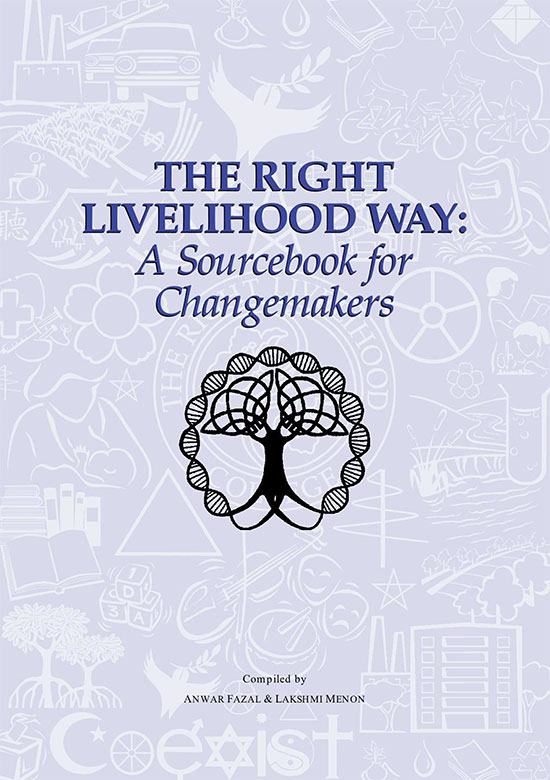
We live in a world sadly dominated by the trinity of “badness” – the culture of violence, of manipulation and of waste. People everywhere are rising against this badness – a phenomenon that Paul Hawken calls “Blessed Unrest”. We see springs of action, candles of hope, sparks of courage that are making a difference. There […]
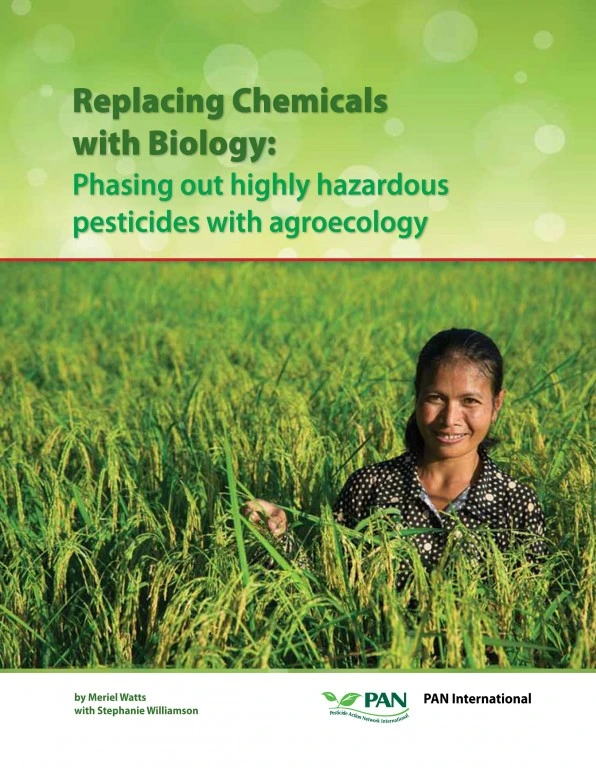
This publication provides information drawn from all regions to assist countries in replacing HHPs with ecosystem-based approaches to pesticide and crop management – replacing chemicals with biology. It draws together previously published and new material in a form that is accessible for policy- and decision-makers at the national and international level, as well as providing […]

This booklet shares women’s successful initiatives to revitalise local varieties and to celebrate women’s resilience and knowledge systems in food and agriculture production. It is to recognise women’s strengths, innovativeness and contributions in sustainable agricultural practices and in ensuring food security for her family and community. The stories come from the diverse experiences of women-led […]
