Agroecology Stories

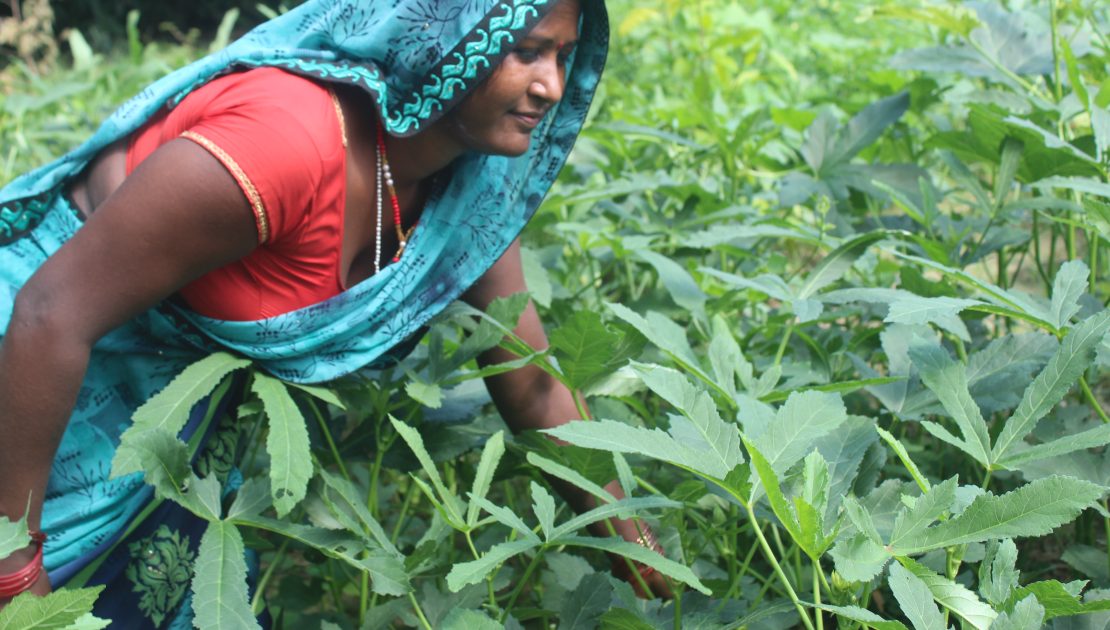
A Story of Ms. Nimkala Chauhan : Chemical to Chemical free Farming

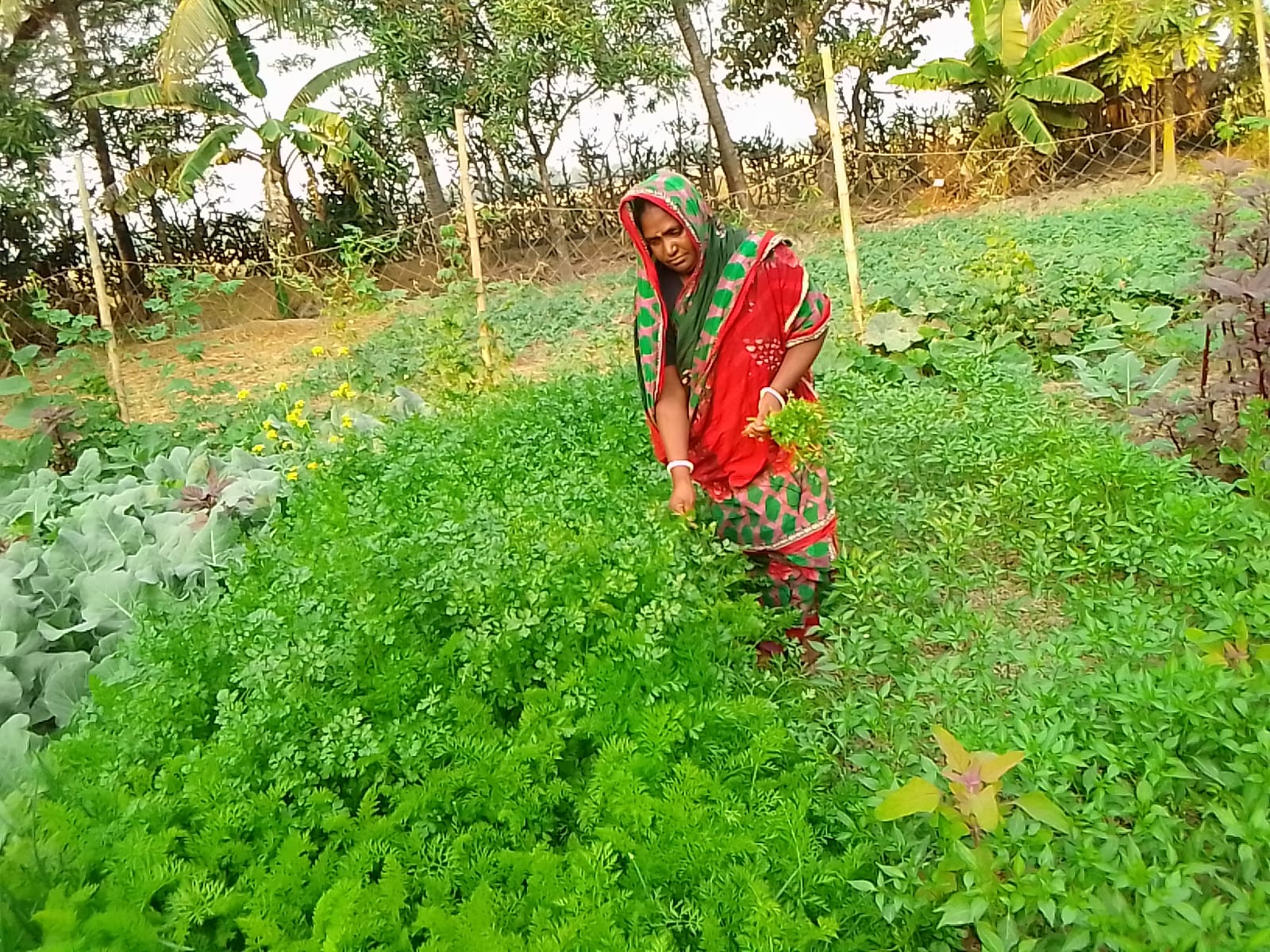
Nimkala Chauhan is living in Kapilvastu Municipality Ward No. 12, Vithuva. She is from marginalized community in terms of economic condition. She has 2 sons, 1 daughter, 2 mother/father-in-law, her husband and herself altogether 7 people are living in her family. In order to fulfill their basic needs, she had taken 5 kattha (0.169 hectare) […]
Caritas Nepal
Read More

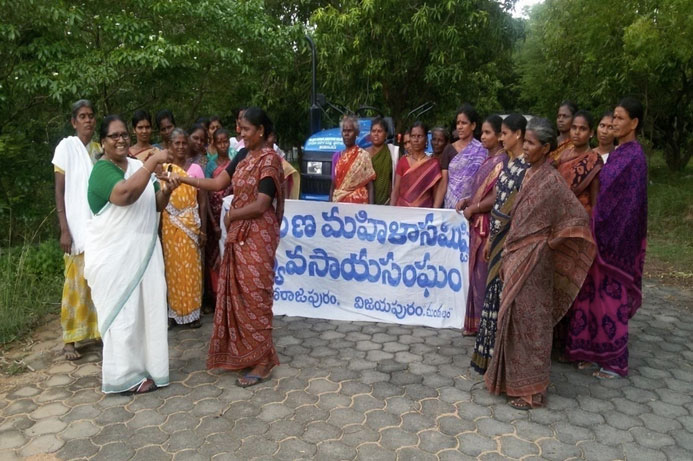
Maharajapuram Dalit Women Reclaim Land through Collective Farming

Women constitute 60% of the agricultural labor force in India, yet they only own 13.96% of agricultural lands, according to the Agricultural Census 2015-2016. Indian society’s low regard of rural women means they cannot inherit or own land, making them economically dependent on others. Discriminatory practices deny women their basic rights, even though the Hindu […]
Grameen Makhila Abiviruthi Sangatna (Rural Women Farmers’ Development Collective)
Read More

Seed Freedom & Climate Resilience Intersect at Barendra Seed Bank

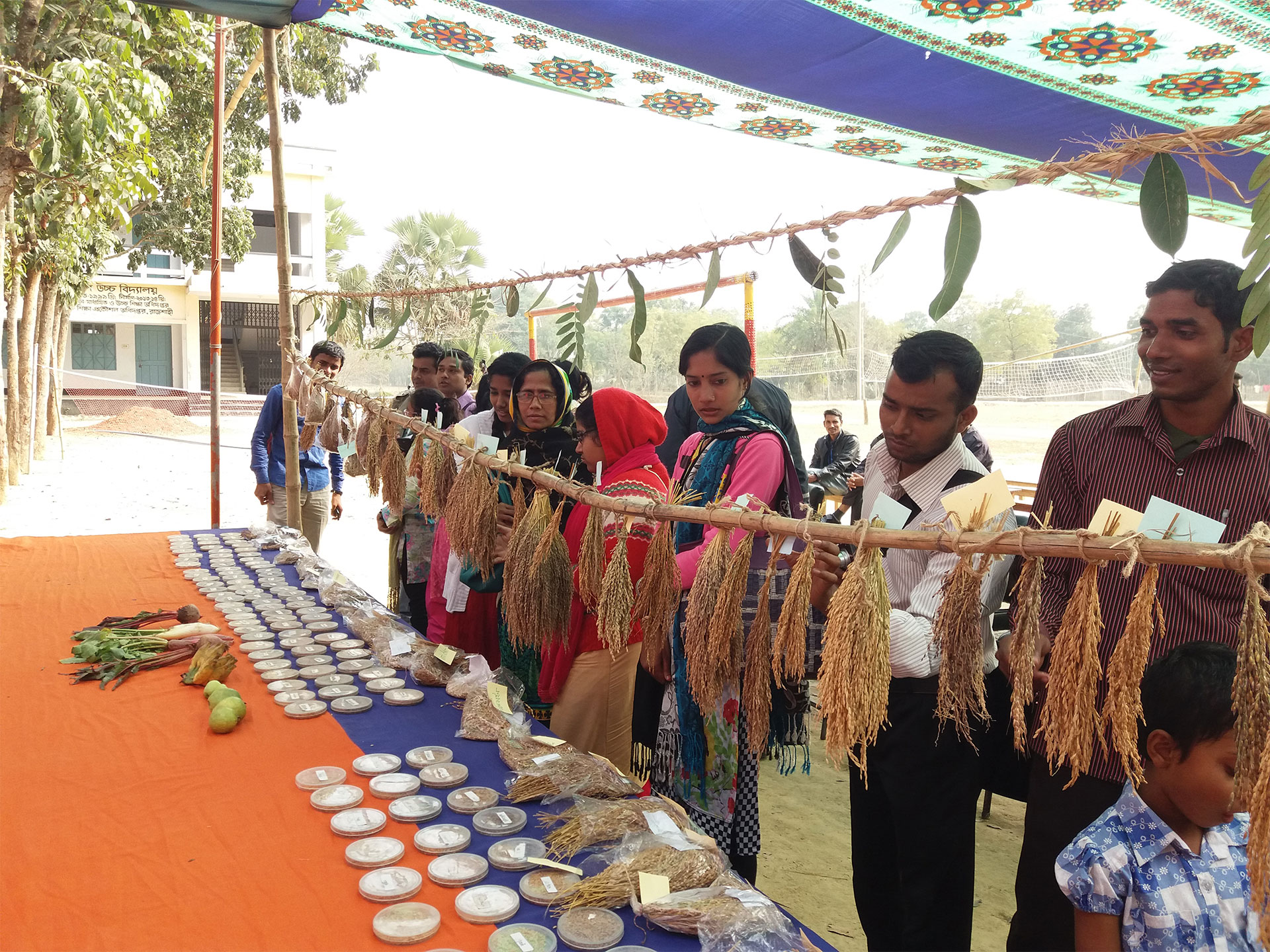
Agriculture in the drought-prone High Barind Tract region faces multifarious problems due to climate change, among other factors. Characterized by reddish clay soil, sun-scorched terrace lands, and sparse vegetation like acacia and cactus, Barind Tract Agroecological Zone relies on rainfall for rice cultivation twice a year, but this is proving to be challenging given erratic […]
Read More

Empowerment through Farmer-Led Research in Bangladesh with BARCIK

How does one make sure that the benefits of scientific knowledge are inclusive, and that the praxis of small producers are considered equally essential to building a genuinely sustainable agricultural practice? There’s a need to see farmers as active adopters of farming technologies with their own expertise and agency, and their experience as legitimate sources […]
Read More

The transformation of Rabeya’s house into a seed store

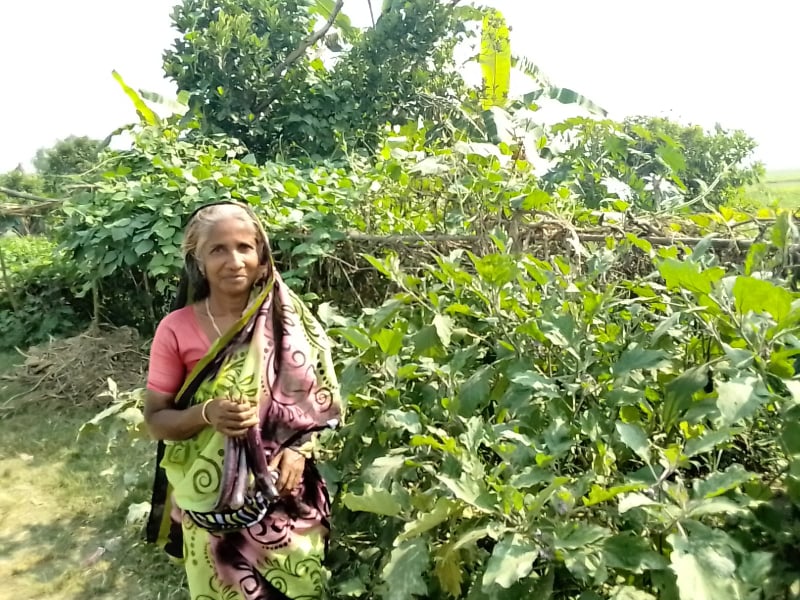
Md. Muktar Hossain from Horirampur, Manikgani (Translated by ABM Touhidul Alam) Fifty-five-year-old Rabeya Begum lives with her husband Ahmed Ali, their only son, daughter in law, and one beloved grandson. She hails from a very poor family living on a remote island char (sandbars that emerge as islands within the river channel or as attached […]
Women’s Development Organization
Read More
IPAM Secretariat

c/o PAN Asia Pacific
48 Persiaran Mutara 1
Pusan Komersial Bandar Mutiara
14120 Simpang Ampat
Penang, Malaysia
envelopephone linkedin facebook pinterest youtube rss twitter instagram facebook-blank rss-blank linkedin-blank pinterest youtube twitter instagram