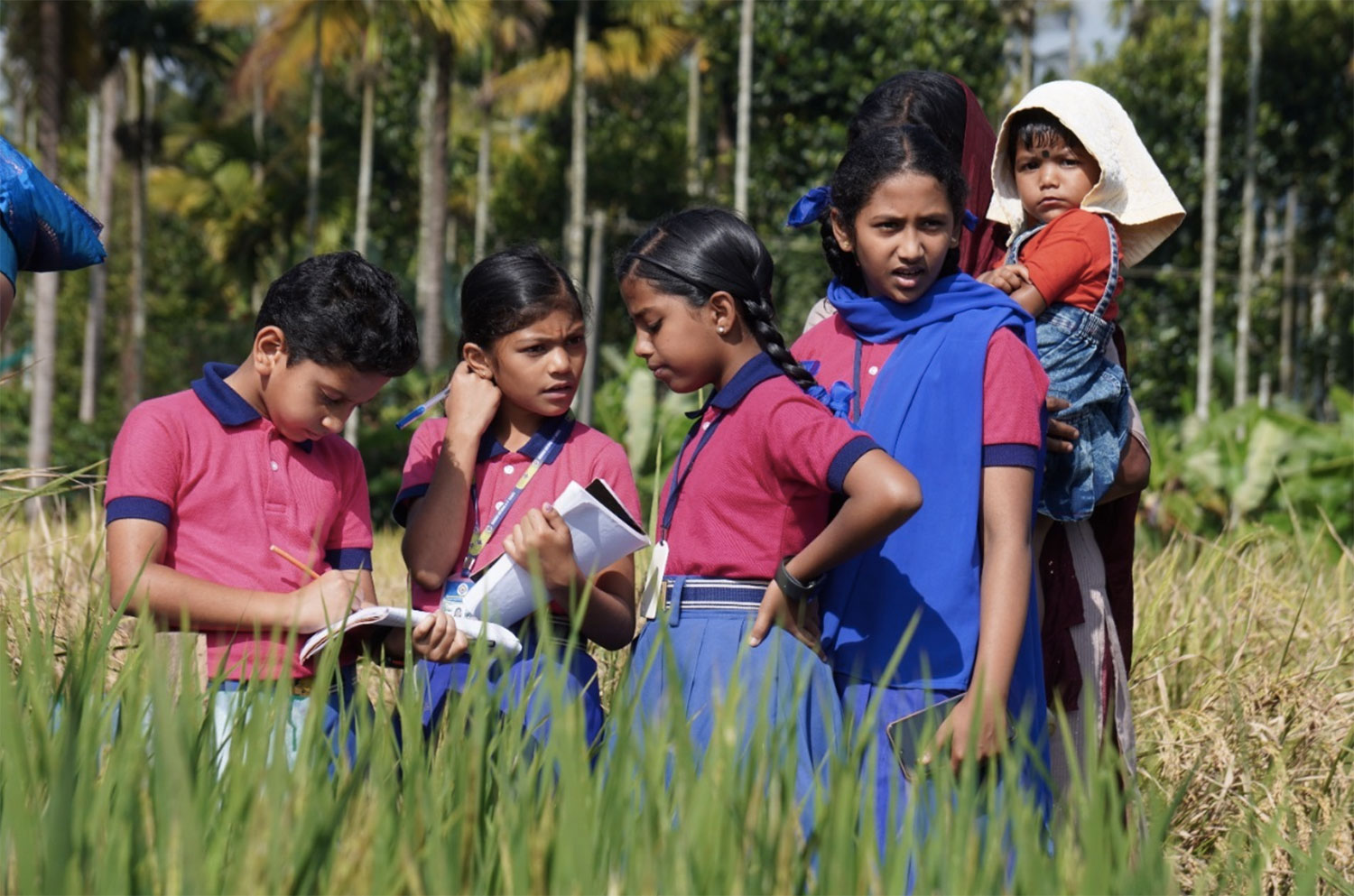
Topic: Biodiversity

Biodiversity, a contraction of “biological diversity,” generally refers to the variety and variability of life on Earth. One of the most widely used definitions defines it in terms of the variability within species, between species, and between ecosystems. It is a measure of the variety of organisms present in different ecosystems. This can refer to genetic variation, ecosystem variation, or species variation (number of species) within an area, biome, or planet. Terrestrial biodiversity tends to be greater near the equator, which seems to be the result of the warm climate and high primary productivity. Biodiversity is not distributed evenly on Earth. It is richest in the tropics. Marine biodiversity tends to be highest along coasts in the Western Pacific, where sea surface temperature is highest and in the mid-latitudinal band in all oceans. There are latitudinal gradients in species diversity. Biodiversity generally tends to cluster in hotspots, and has been increasing through time, but will be likely to slow in the future. The number and variety of plants, animals and other organisms that exist is known as biodiversity. It is an essential component of nature and it ensures the survival of human species by providing food, fuel, shelter, medicines and other resources to mankind. The richness of biodiversity depends on the climatic conditions and area of the region.
Update

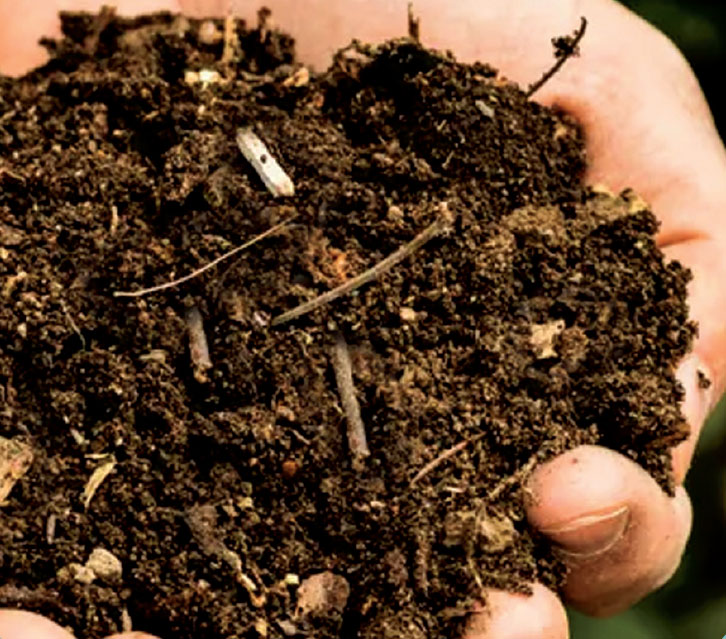
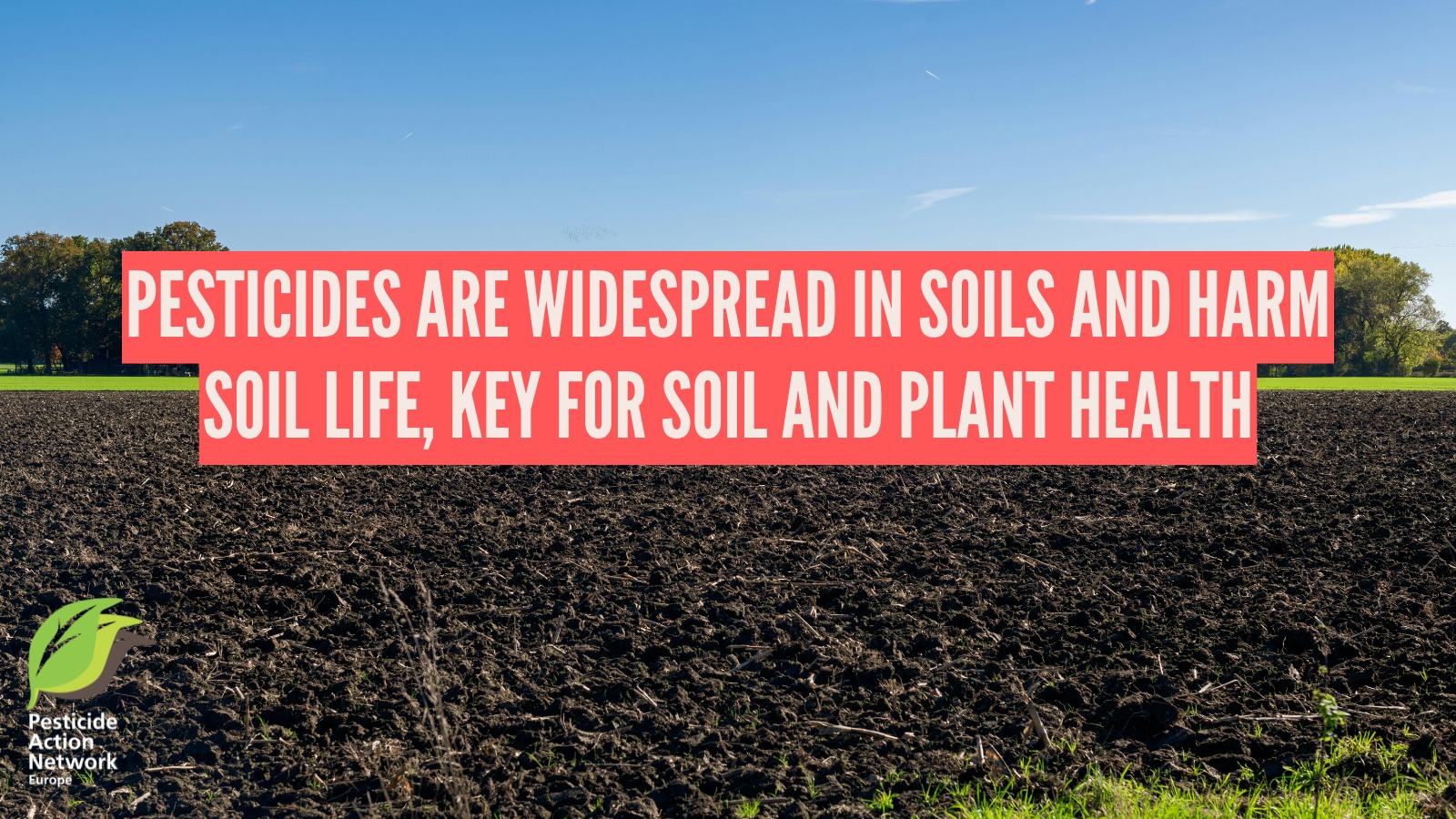
Widespread pesticide use harms soils life

Healthy soils are the foundation of life—yet pesticides are reshaping them in dangerous ways. A landmark study across 26 European countries shows pesticide residues as the second biggest driver of soil biodiversity loss, harming beneficial fungi and nematodes while boosting pathogens. Researchers stress the urgent need for EU risk assessments to better capture the broader […]

Read more
Story

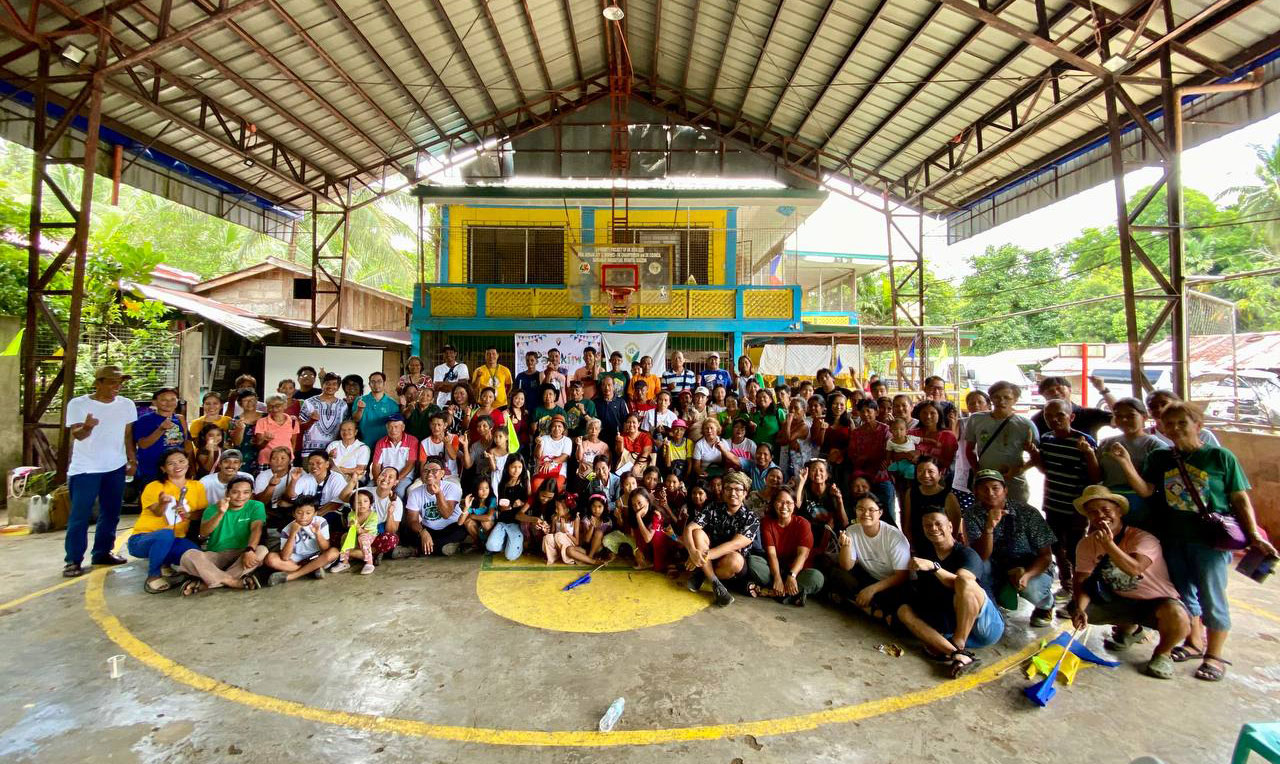
PATIKIM Festival: A Taste of Freedom through Agroecology

It was a hot and humid morning inside Bgy. Magsaysay’s basketball court where the farmers’ festival would take place. While the province of Quezon, much like the rest of the Philippines, was already at the tailend of an especially ferocious summer marked by record-breaking heat, that day there was hardly any cool breeze to provide […]

Read more
Resource

Save soil, save life

(Reprinted here with permission from the author.) SOIL is our lifeline. It sustains life with a variety of foods, holds and filters water to provide us with clean and safe potable water and maintains ecological balance by storing carbon. But Pakistan has played havoc with its soils. We refused to accept that soil is much […]

Read more
Story

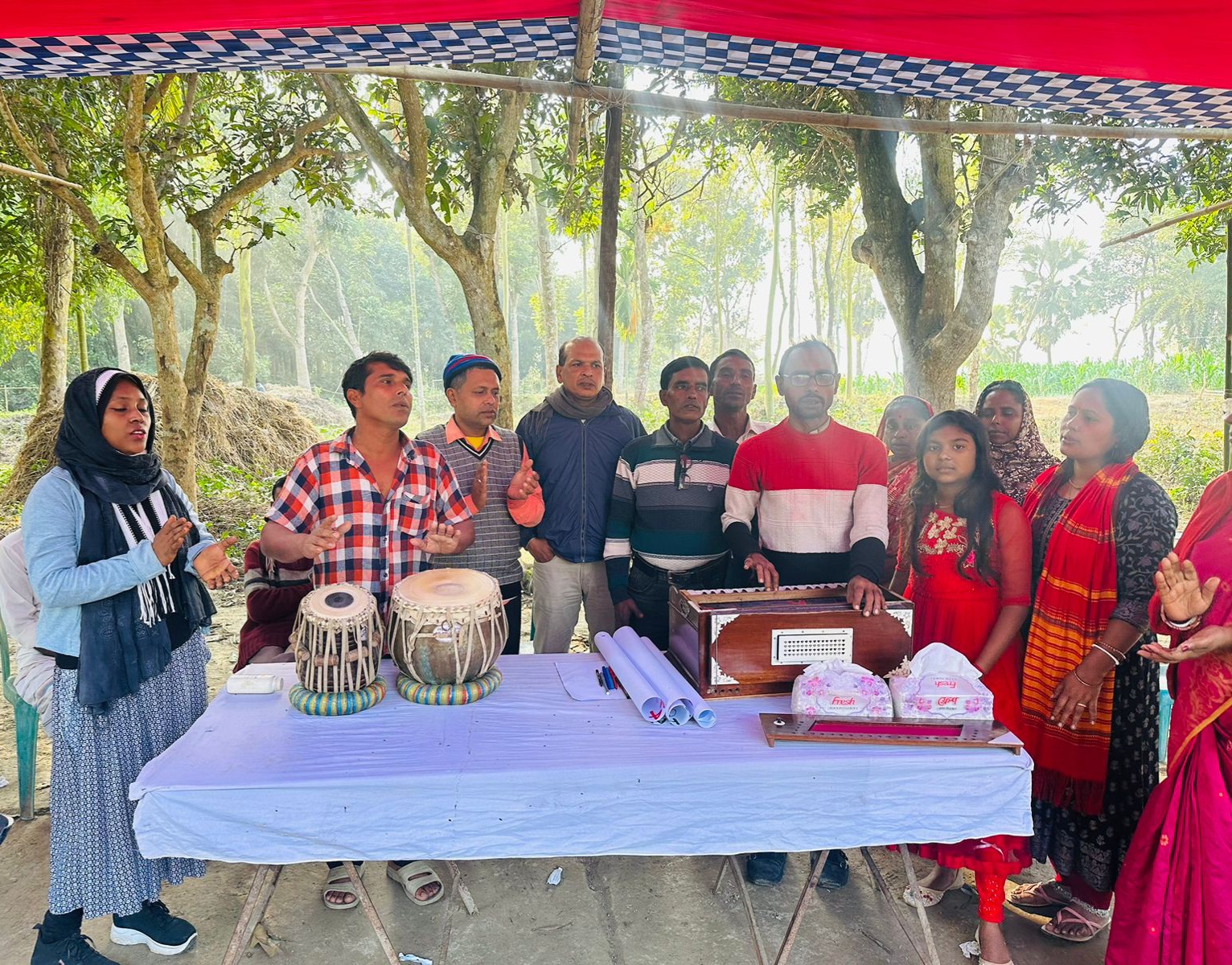
Empowering Farming Communities through Farmer-to-Farmer Knowledge Sharing

by Ananna Ahmed and Sonjita Kirtuniya In the advancement of agro-ecology, farmer-to-farmer knowledge sharing is a linchpin for progress. This exchange of insights and experiences among farmers serves as a catalyst for enhancing farming practices and bolstering community resilience. Through such initiatives, farmers gain invaluable exposure to new technologies, innovative techniques, and best practices, ultimately […]

Read more
Resource

Biodiversity in Soil

Soil is our lifeline. It sustains life with a variety of foods, holds and filters water to provide us with clean and safe potable water and maintains ecological balance by storing carbon. But there is so much to understand about soil and how it works. Agroecology is a holistic approach to agriculture that emphasises the […]

Read more
Resource

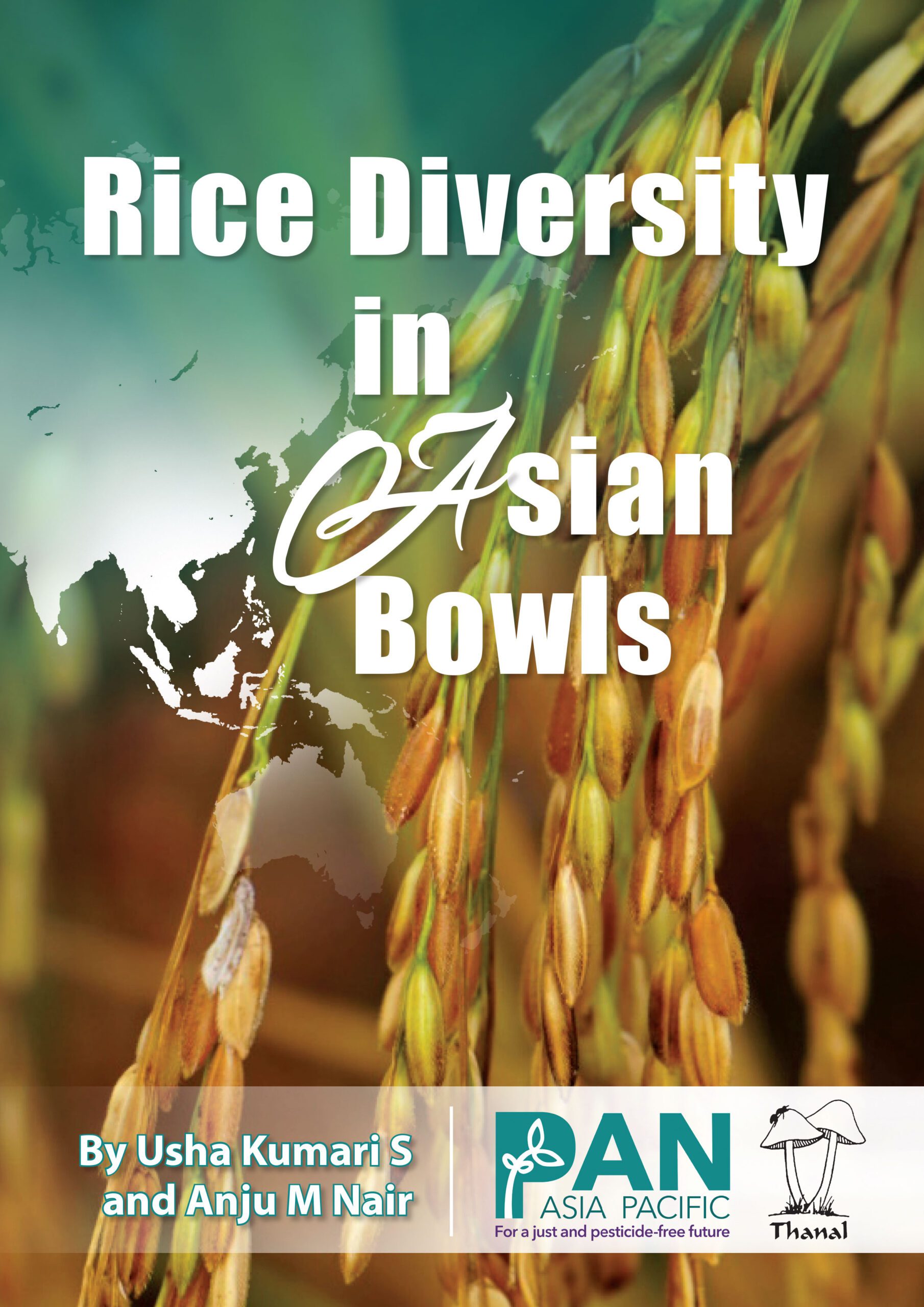
Rice Diversity in Asian Bowls

One of the most important staple foods, rice, is agronomically- and nutritionally-sound and provides the calories needed by around half the world’s population. There is an urgent need to take all necessary actions to produce rice in a sustainable manner in order to fulfil the future demand for food that is anticipated from the projected […]

Read more
Resource

Future in the Hands of Young People: Moving from pesticides to agroecology in Asia

Educating and immersing children in practices that are in harmony with nature and showing them the comparative advantages of protecting soil life, biodiversity and the environment is the way forward. Learn more from the experiences of our partners in India, Pakistan and Malaysia.

Read more

IPAM Secretariat

c/o PAN Asia Pacific
48 Persiaran Mutara 1
Pusan Komersial Bandar Mutiara
14120 Simpang Ampat
Penang, Malaysia
envelopephone linkedin facebook pinterest youtube rss twitter instagram facebook-blank rss-blank linkedin-blank pinterest youtube twitter instagram