Topic: Biodiversity-Based Ecological Agriculture

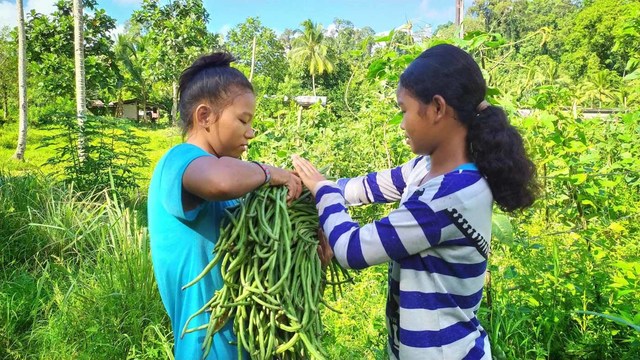
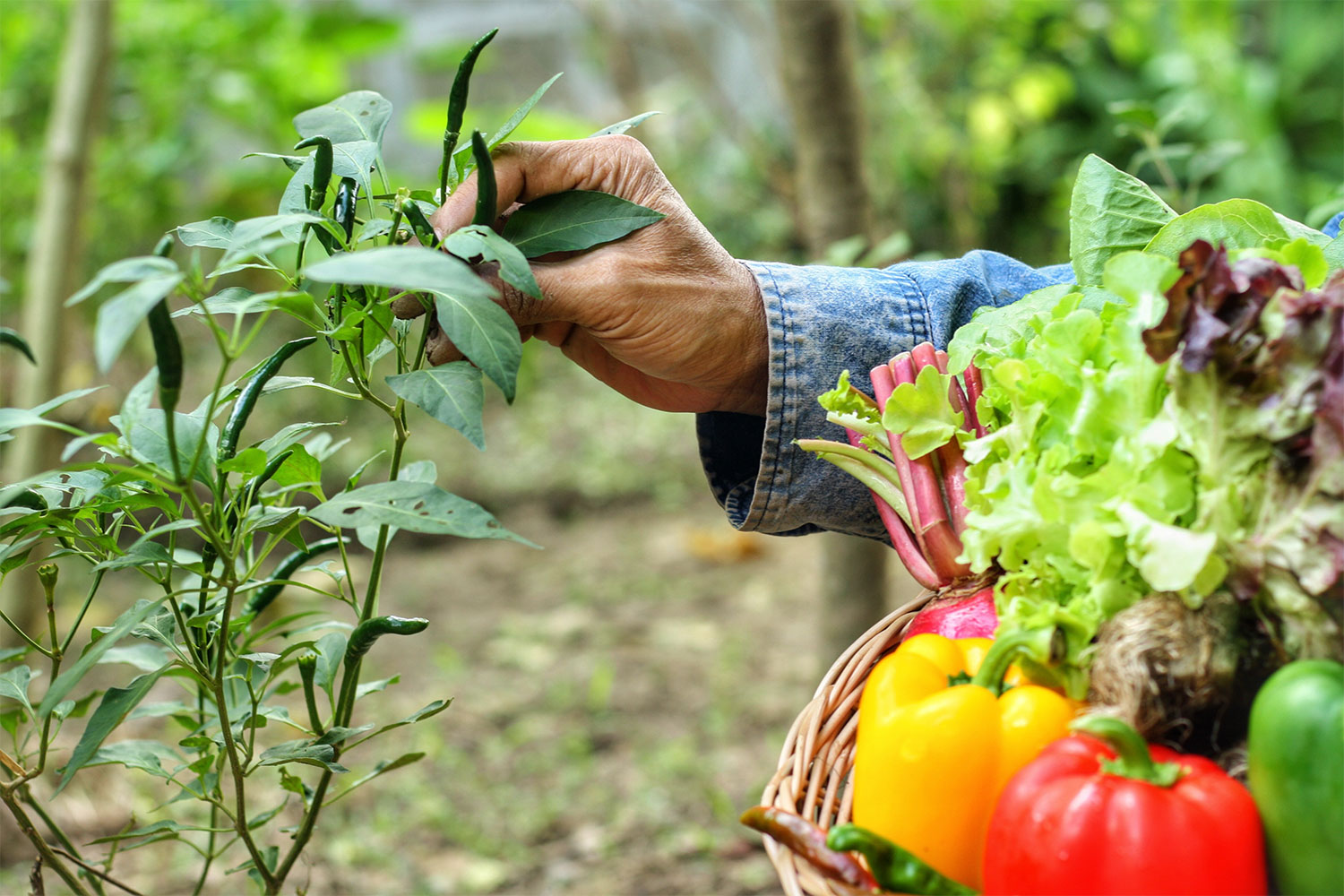
Large-scale commercial farming systems that promote genetic engineering of crops, backed by research and development initiatives by agrochemical TNCs is no longer the best choice to feed the world today. According to De Schutter, biodiversity-based ecological agriculture projects “have shown an average crop yield increase of 80 per cent in 57 developing countries.” While biodiversity-based ecological agriculture promises a better alternative to combating hunger and mitigating the effects of climate change, it greatly requires public policies supporting research and development extension services. Private companies such as the agrochemical TNCs will not invest time and money in such ecological practices that will rob them of income from patents and sale of chemical products.Biodiversity-based ecological agriculture is a farming system in harmony with the environment and the community. It involves peasant-led initiatives based on generations of traditional farming that ensure productive and sustainable agricultural production free from the use of hazardous chemicals. Small-scale farming communities in Asia have a wealth of farmer-based wisdom in terms of seed conservation and crop production. All we just need to do now is to recognise these initiatives and let the small food producers feed themselves and the world.
Resource

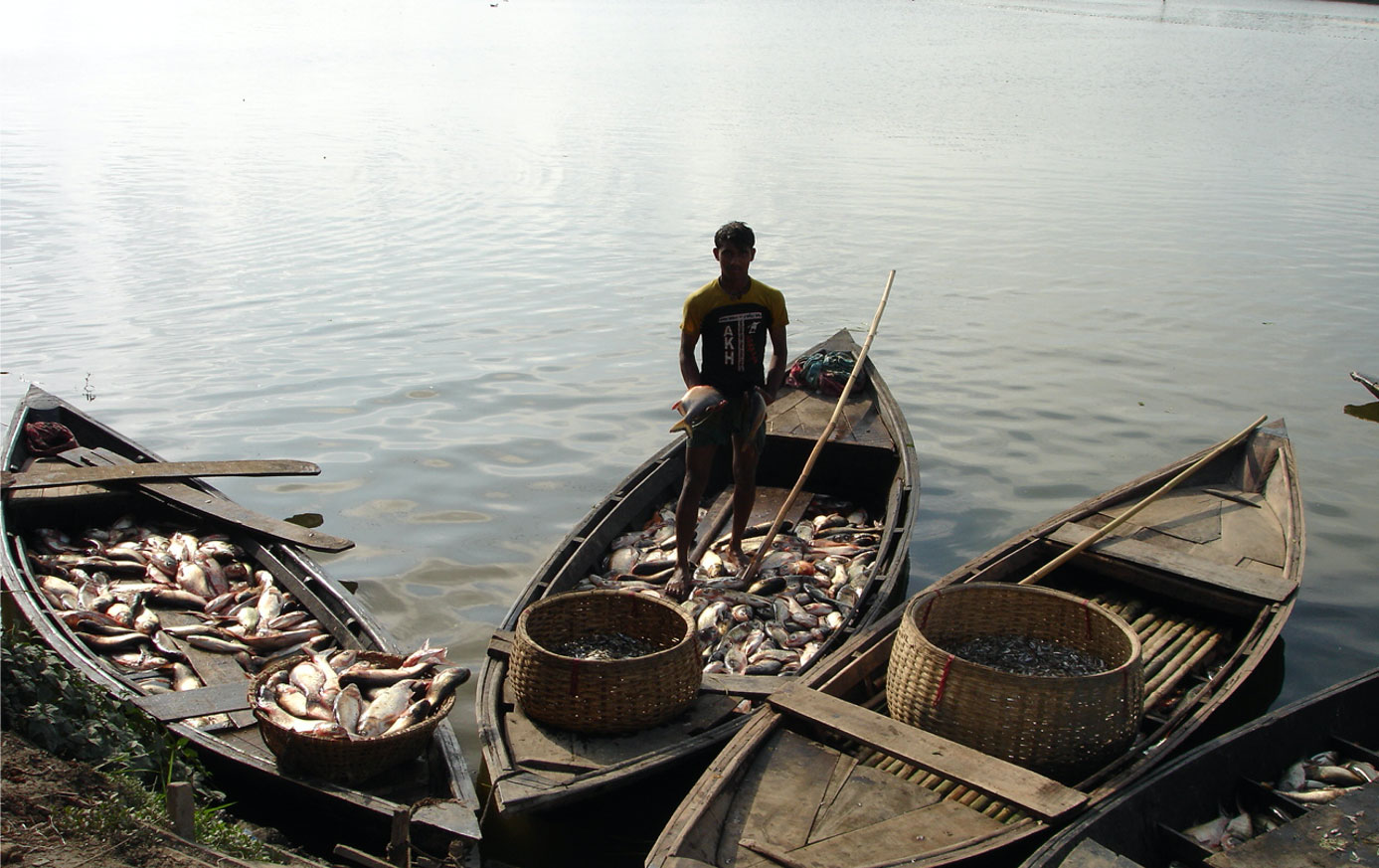
Rehabilitation through Agroecology: Surviving the floods in Pakistan and Bangladesh

Rising seas and floods are seriously affecting the agriculture and livelihoods of farming communities. Learn how Pakistan farmers are coping with the impacts of massive flooding, and how Bangladesh farmers have used the floods to create a sustainable community development initiative.

Read more
Resource

Building Community Resilience in Indigenous Communities

Indigenous farming practices follow agroecological principles and use natural resources wisely and sustainably. Check out inspiring stories from indigenous communities in the Philippines, India, and Benin.

Read more
Resource

Future in the Hands of Young People: Moving from pesticides to agroecology in Asia

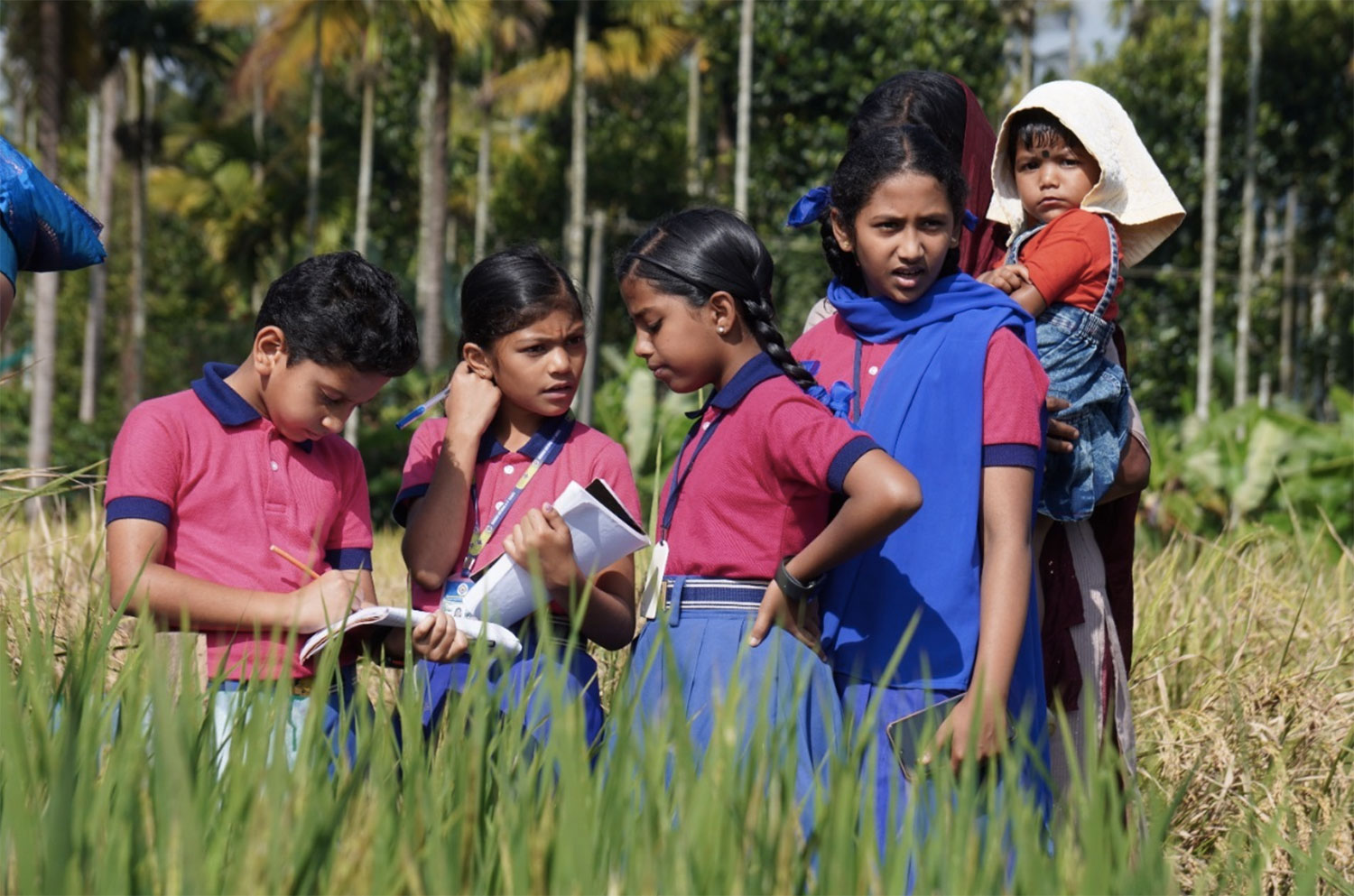
Educating and immersing children in practices that are in harmony with nature and showing them the comparative advantages of protecting soil life, biodiversity and the environment is the way forward. Learn more from the experiences of our partners in India, Pakistan and Malaysia.

Read more
Resource

From Sri Lanka to Mexico: Government Failures and Grassroots Solutions to Advance Agroecology

Public policies that support the transition from pesticide dependence to agroecology offer the opportunity to transform our food systems. However, experience from several countries show that these policies need a commitment to democratic participation and a long-term vision in order to succeed. Here are lessons learned from Sri Lanka, Spain, Argentina, and Mexico.

Read more
Resource

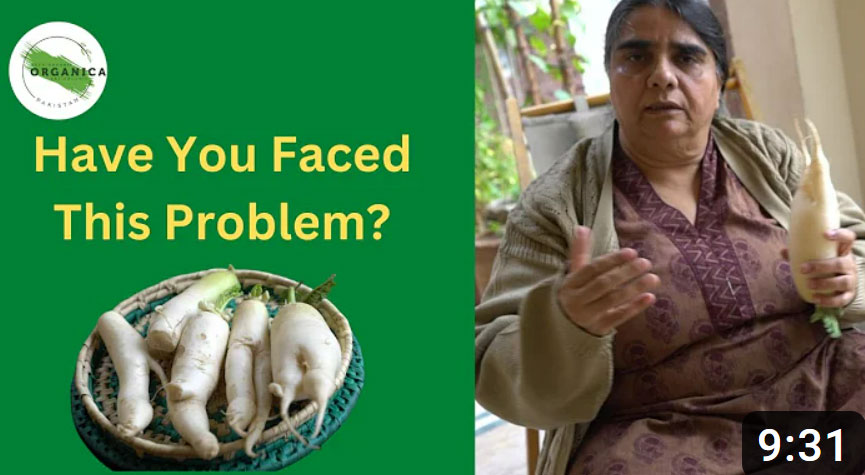
3 Causes Behind Deformed Radishes

In this video, Nasira Habib shares why radishes and carrots become deformed, branched and wonky. She also guides how to remedy this problem.

Read more
Resource

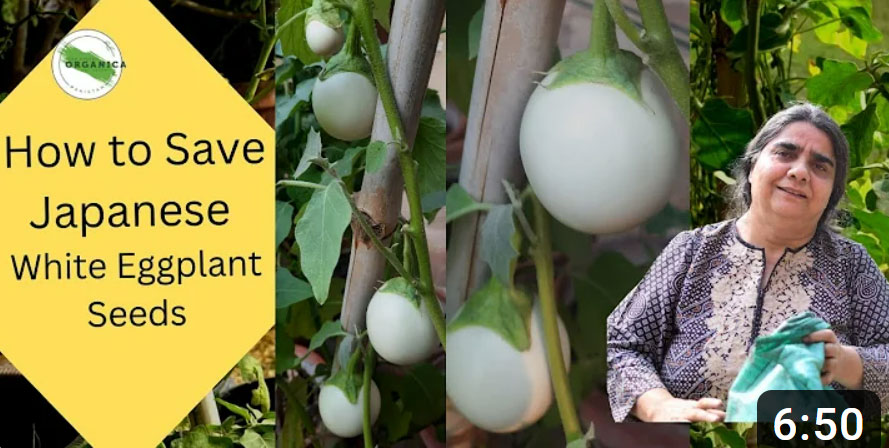
How to save Japanese White Eggplant

In this video, Nasira Habib gives a tutorial on how to save Japanese white eggplant seeds.

Read more
Resource

Useful insects in farms and gardens

A sharing on the crucial role that beneficial insects play in ecosystems and alternative pest management. Presented by entomologist Anoop Kumar during a Regional Farmers Learning Exchange Program organised by PAN Asia Pacific at the Thanal Agroecology Centre in Kerala, India last November 2022.

Read more
Resource

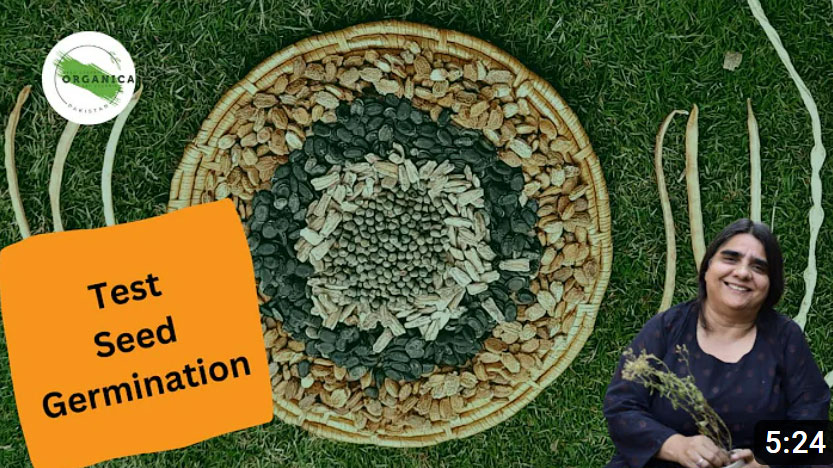
Test Seed Germination

In this video, Nasira Habib gives a tutorial on how to test the germination of seeds.

Read more
Resource

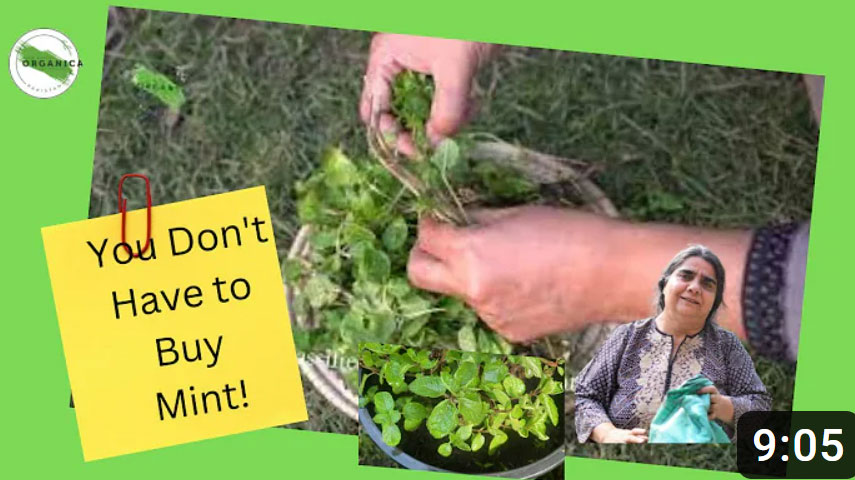
You don’t have to Buy Mint

In this video – You don’t have to Buy Mint – Nasira Habib gives a tutorial on how you can grow abundant mint leaves from kitchen waste.

Read more
Resource

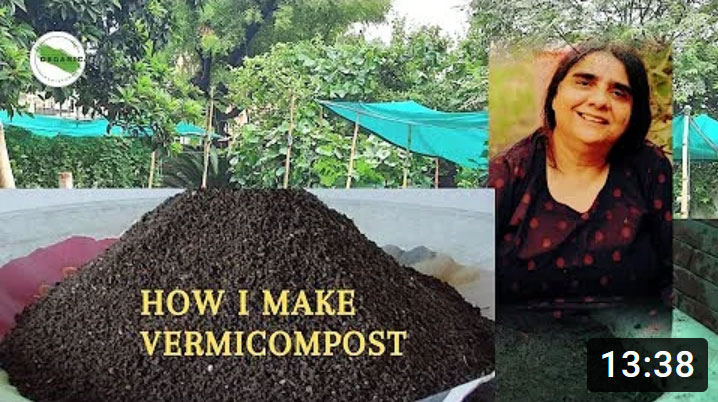
How I make Vermicompost

In this video, Nasira Habib shares her experience of making vermicompost in her garden. Vermicompost is a super compost. Worms turn your kitchen and other green waste into soil rich in nutrients and loaded with microorganisms that create and maintain healthy soil for us. Vermicomposting also helps us keep our environment clean. It is easy […]

Read more

IPAM Secretariat

c/o PAN Asia Pacific
48 Persiaran Mutara 1
Pusan Komersial Bandar Mutiara
14120 Simpang Ampat
Penang, Malaysia
envelopephone linkedin facebook pinterest youtube rss twitter instagram facebook-blank rss-blank linkedin-blank pinterest youtube twitter instagram