Topic: Biodiversity-Based Ecological Agriculture

Large-scale commercial farming systems that promote genetic engineering of crops, backed by research and development initiatives by agrochemical TNCs is no longer the best choice to feed the world today. According to De Schutter, biodiversity-based ecological agriculture projects “have shown an average crop yield increase of 80 per cent in 57 developing countries.” While biodiversity-based ecological agriculture promises a better alternative to combating hunger and mitigating the effects of climate change, it greatly requires public policies supporting research and development extension services. Private companies such as the agrochemical TNCs will not invest time and money in such ecological practices that will rob them of income from patents and sale of chemical products.Biodiversity-based ecological agriculture is a farming system in harmony with the environment and the community. It involves peasant-led initiatives based on generations of traditional farming that ensure productive and sustainable agricultural production free from the use of hazardous chemicals. Small-scale farming communities in Asia have a wealth of farmer-based wisdom in terms of seed conservation and crop production. All we just need to do now is to recognise these initiatives and let the small food producers feed themselves and the world.

Resource

In Our Hands

This short video, In Our Hands, captures various activities of a hands-on workshop for school children on the basics of gardening on the 5th of June 2022. This workshop, to mark the International Environment Day, was organized by Khoj – Society for People’s Education, in collaboration with Organica Pakistan. The activities included a tour of […]

Read more
Resource

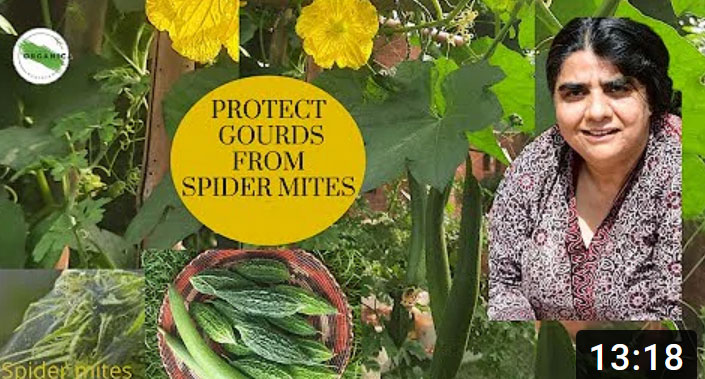
Protect Gourds from Spider Mites

Spider mites can play havoc with plants. In this video, Nasira Habib shares her experience of spider mite infestation in her garden and how she protects her summer vegetables from them, including bitter gourd, bottle gourd, sponge gourd and cucumber.

Read more
Resource

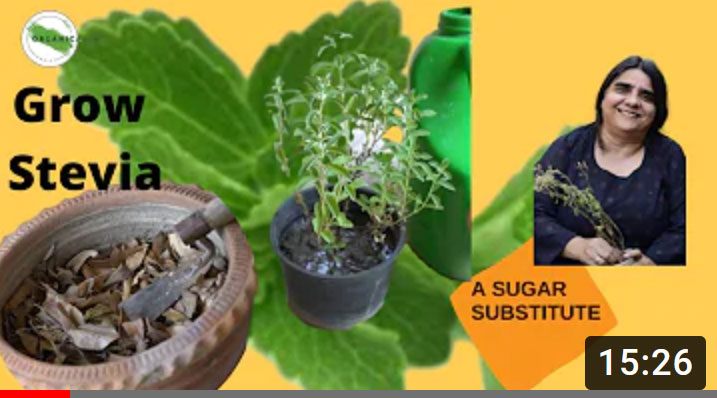
Grow Stevia: A Sugar Substitute

Do you have a sweet tooth? But are conscious of your health? Here is a solution! Stevia is a natural sweetener. You can easily grow stevia at home in pots or in ground and be self reliant in a natural substitute to sugar.

Read more
Resource

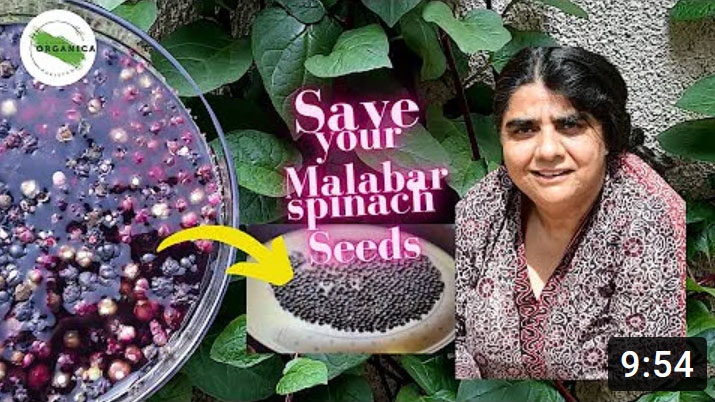
How to Save Malabar Spinach Seeds

Saving Malabar spinach seeds is easy, says Nasira Habib. In this video, she explains step by step how to do that.

Read more
Resource

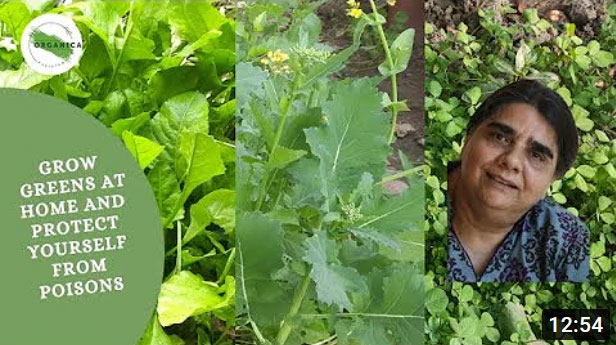
Grow Greens at Home and Protect Yourself from Poisons

Sarson ka saag is a winter speciality of Punjab. Mustard, spinach, fenugreek and lamb’s quarters leaves are the essential ingredients for this preparation. In this video, Nasira Habib explains the importance of growing greens at home organically and protecting ourselves from pesticides which are poisons.

Read more
Resource

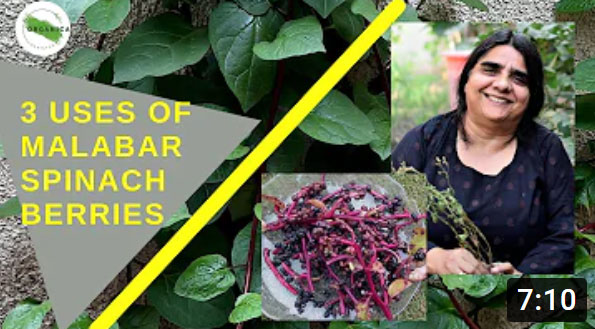
3 Uses of Malabar Spinach Berries

Nasira Habib shares several uses of Malabar spinach berries.

Read more
Story

PAILY, A Farmer’s Testimony

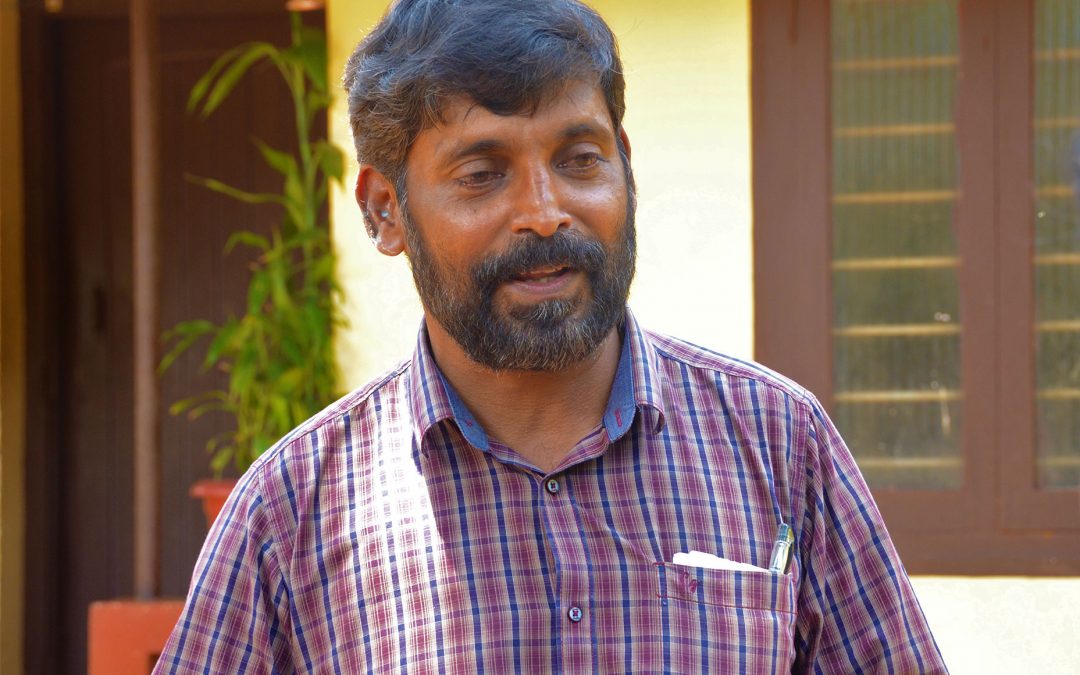
“I have been doing farming for the past 10 years mainly planting pepper, coffee, areca nut, and some coconut trees in a little farm I own. And in another land I took on lease, I grow banana and tapioca. I grow my pepper plants in areca nut trees to make efficient use of the little […]

Read more
Resource

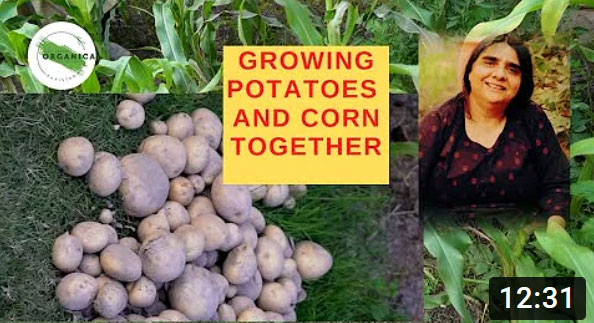
Growing Potatoes and Corn Together

Nasira Habib shares the lessons she learnt from growing potatoes with corn.

Read more
Story

Chitra, Prompt solutions from a leading woman farmer

Chitra steps into her field of half an acre as she readiesto entertain an interview and winds up a work-related call. She is a busy lady who wears many hats – a mother of two, wife, farmer, trainer, SHG leader, health worker – and dons them truly admirably. At 43, Chitra is brimming with energy […]

Read more
Story

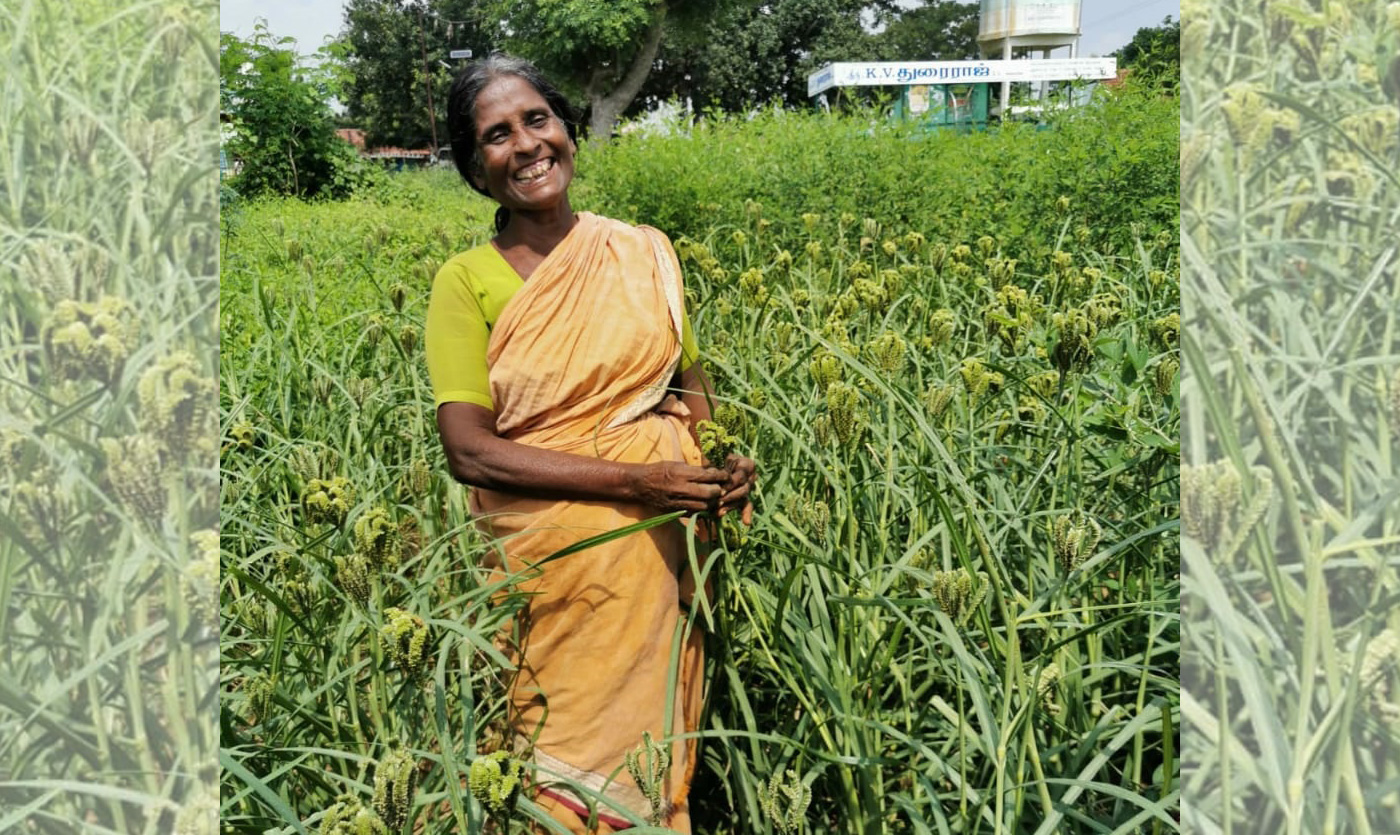
Arul Mouzhi “lf we fail one sort of crop, the other one will give an income.”

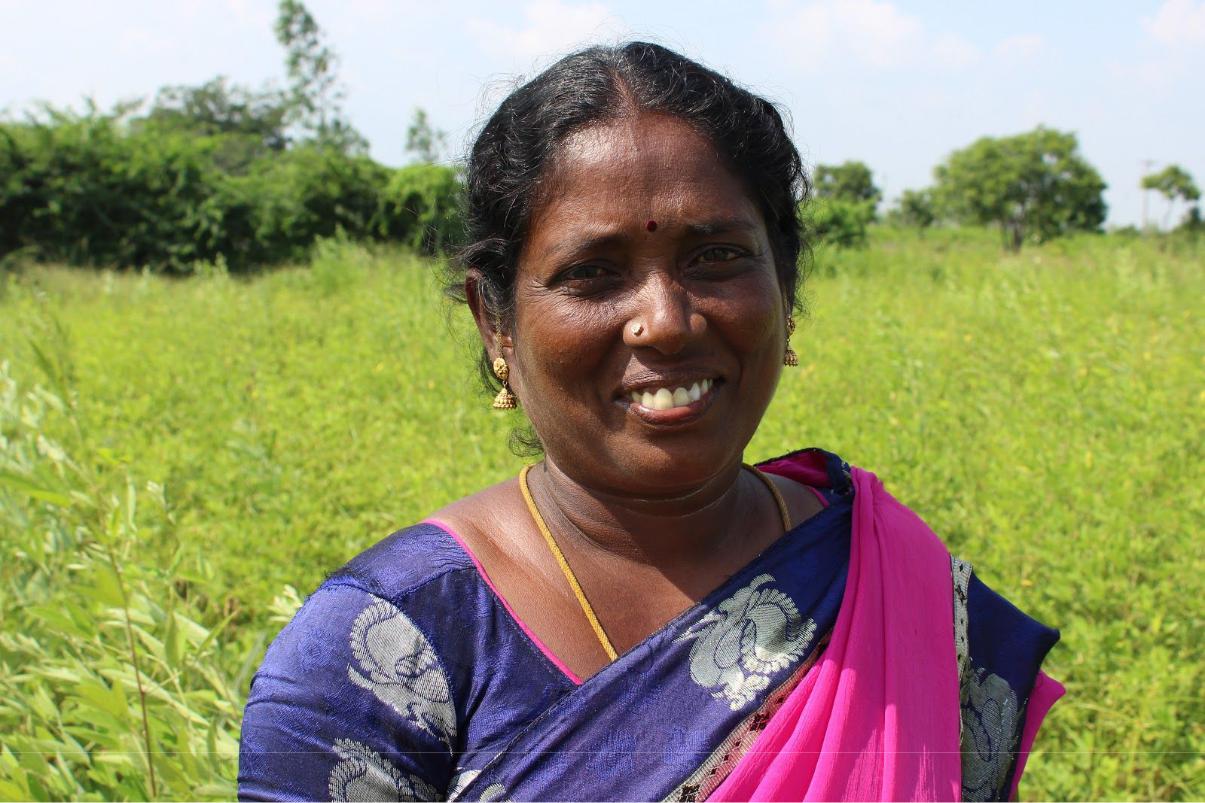
Mrs. Arul Mouzhi is a woman farmer living in Kongathiranpatti village who owns three acres of dry land and one acre of irrigated land. Arul and her family eat millet twice a week. She gets her millet and vegetable seeds from Kolunji Ecological Farm and Training Center,an IPAM Field Learning Site managed by Kudumbam. Kolunji […]

Read more

IPAM Secretariat

c/o PAN Asia Pacific
48 Persiaran Mutara 1
Pusan Komersial Bandar Mutiara
14120 Simpang Ampat
Penang, Malaysia
envelopephone linkedin facebook pinterest youtube rss twitter instagram facebook-blank rss-blank linkedin-blank pinterest youtube twitter instagram