Topic: Highly Hazardous Pesticides

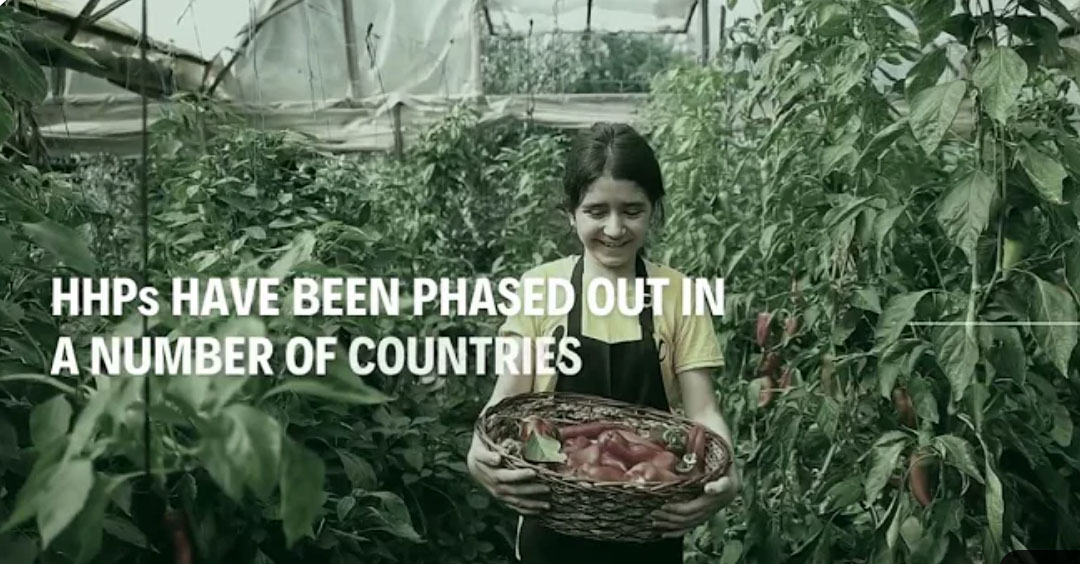
“Highly Hazardous Pesticides means pesticides that are acknowledged to present particularly high levels of acute or chronic hazards to health or environment according to internationally accepted classification systems such as WHO or GHS or their listing in relevant binding international agreements or conventions. In addition, pesticides that appear to cause severe or irreversible harm to health or the environment under conditions of use in a country may be considered to be and treated as highly hazardous”. (Definition as per International Code of Conduct on Pesticide Management, adopted by FAO and WHO in 2013). A considerable proportion of the pesticides still being used in the world can be considered highly hazardous, because they have a high acute toxicity, have known chronic toxic effects even at very low exposure levels, or are very persistent in the environment or in organisms, for example. Highly hazardous pesticides (HHPs) pose significant risks to human health or the environment.
Resource

PAN Latin America on Highly Hazardous Pesticides

In this 2-minute video, PAN Latin America (RAPAL) regional director Javier Souza Casadinho provides an overview on what constitutes highly hazardous pesticides. This was produced in time for the global network’s participation at the “Fifth session of the International Conference on Chemicals Management” as a major policy advocacy initiative to eliminate the use of HHPs […]

Read more
Resource

Seed Keepers and Truth Tellers: From the Frontlines of GM Agriculture

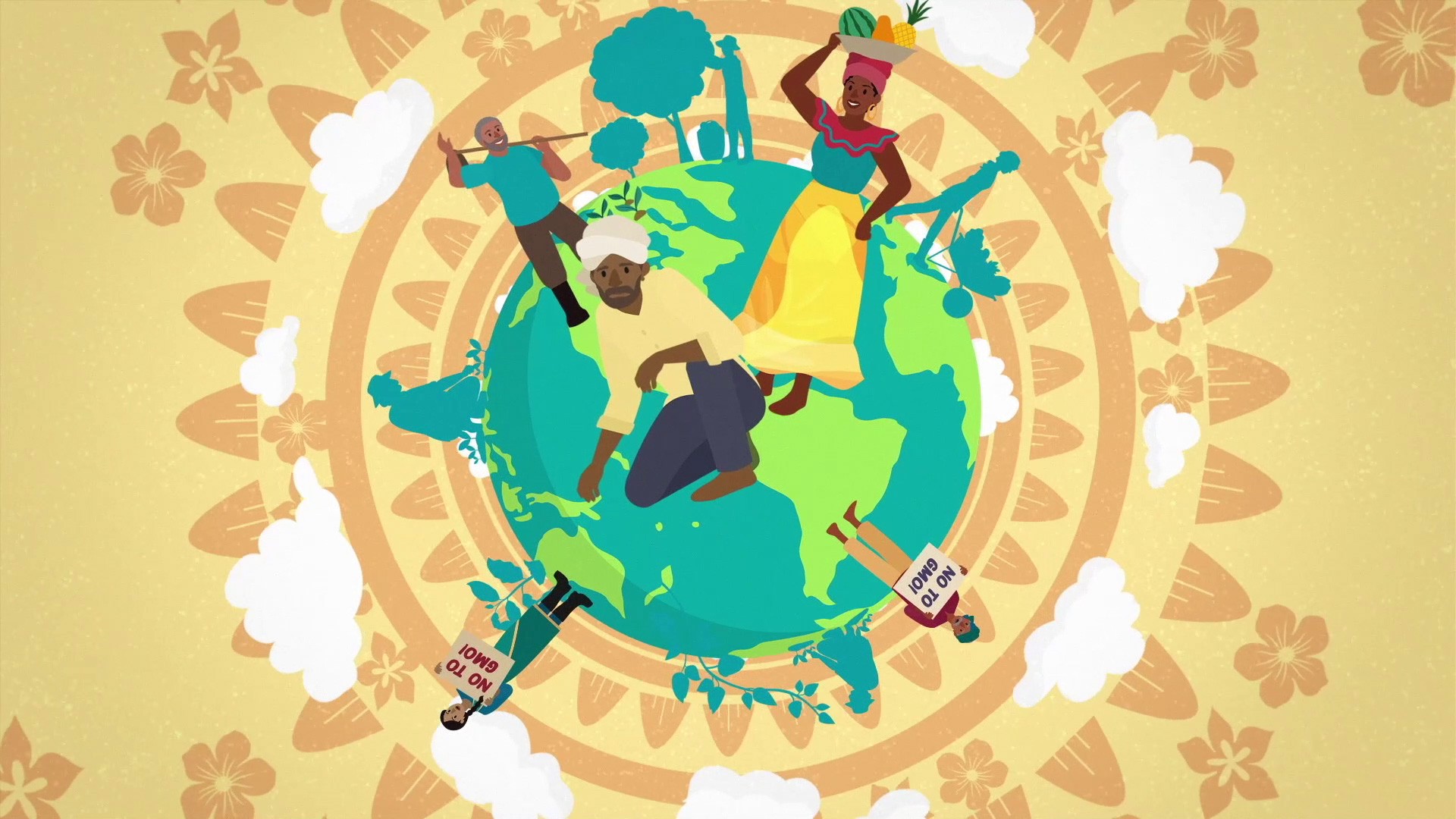
This animated short shines a bright light on how fragile and unjust so many of our interconnected global systems are. This video focuses on genetically modified (GM, also known as GMO) seeds and the story of their global impacts. For years now, pesticide industry giants have peddled their genetically engineered technology kits: modified seeds and […]

Read more
Resource

Young and Poisoned

Toxic pesticides used in mango orchards and floriculture farms in India affect the lives of young children. Who is responsible for their poisoning? Find out in this documentary by PAN Asia Pacific, in cooperation with Society for Rural Education and Development, Sahanivasa and APVVU.

Read more
Resource

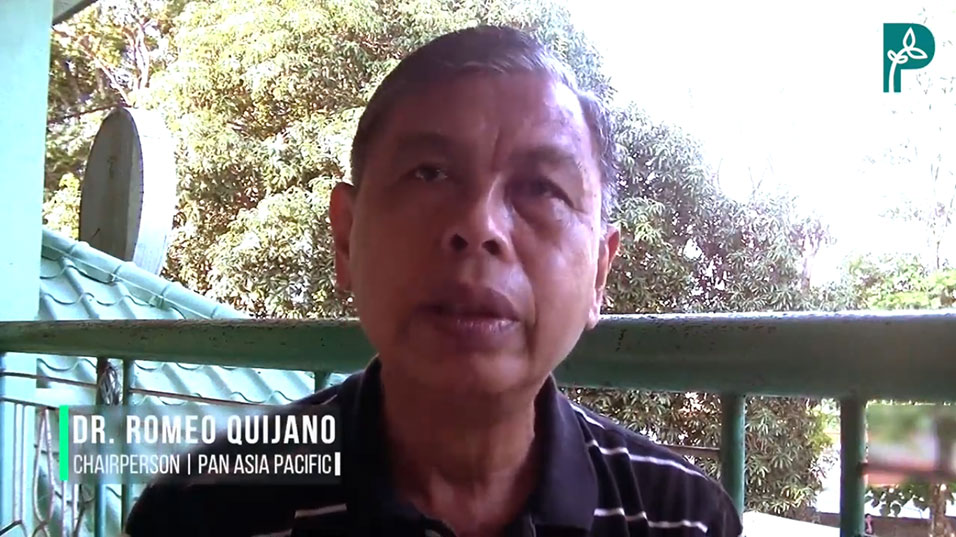
Of Rights and Poisons: Interview with Dr. Romeo Quijano

Dr. Romeo Quijano, chairperson of PAN Asia Pacific, has personally witnessed the damaging effects of Highly Hazardous Pesticides on people’s health and the environment over the past decades. He calls for the accountability of pesticide manufacturers and plantation companies for human rights violations related to the use of pesticides.

Read more
Resource

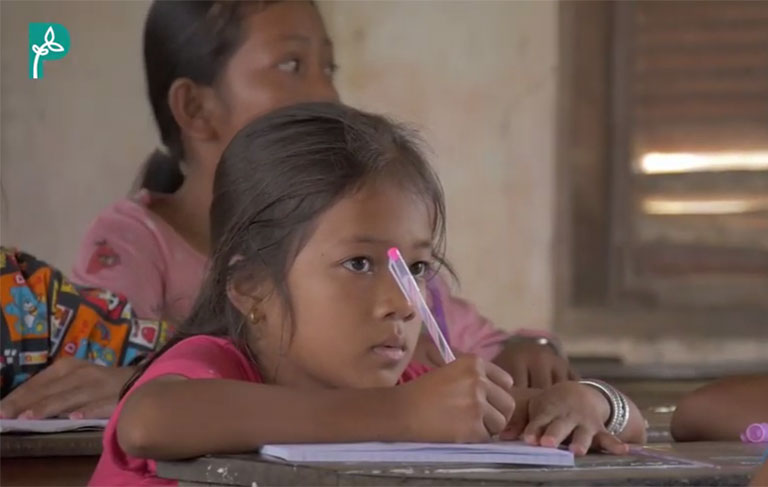
Pesticide-Free Schools

This short documentary highlights the successful efforts to establish pesticide-free buffer zones around schools in Asia. In Vietnam, children were taught early on the harmful effects of pesticides and to move towards alternative methods. Meanwhile, in Cambodia, farmers stopped spraying pesticides on school days. This was a result of an education campaign launched after students […]

Read more
Resource

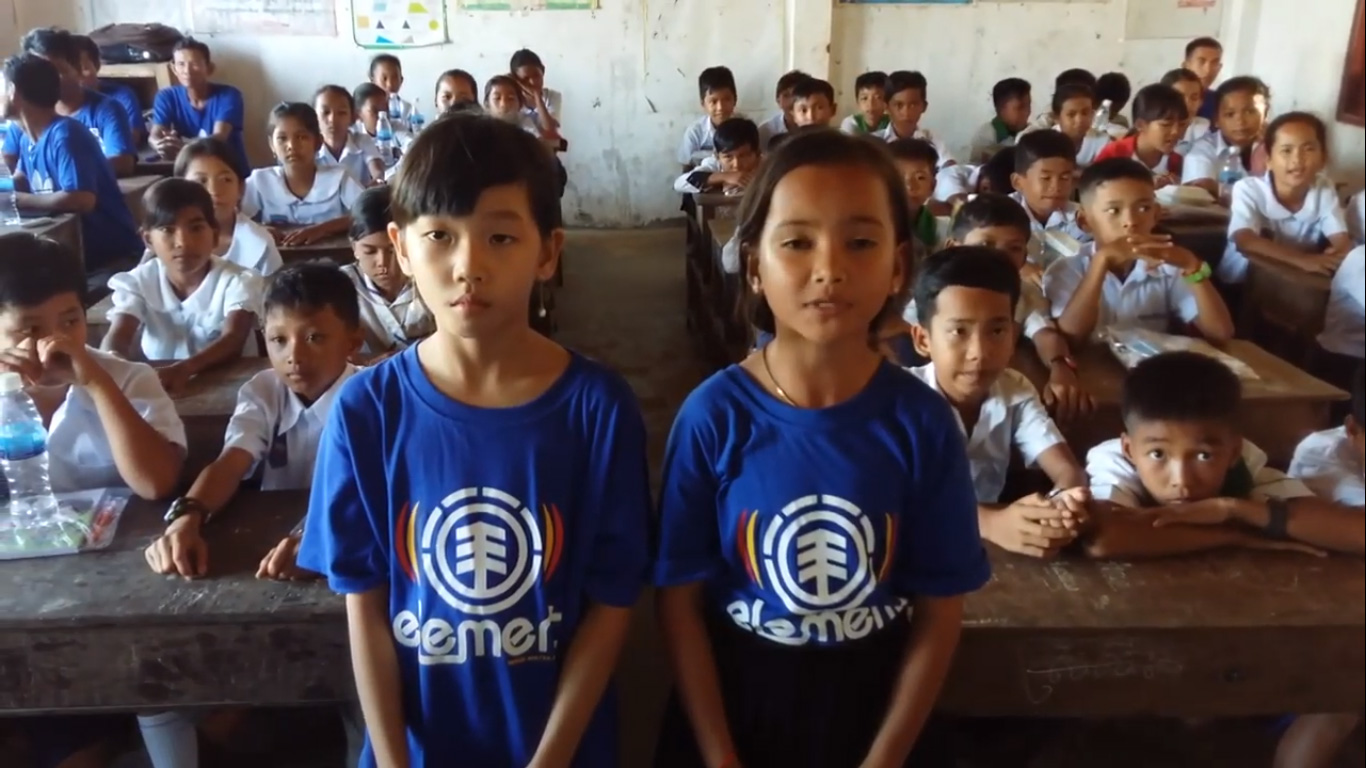
Cambodian children: Stop the use of pesticides!

Hear these Cambodian children’s plea to stop the use of pesticides! Video from CEDAC, taken at the Po Ampil Primary School in Takeo Province, Cambodia

Read more
Resource

Women in Agroecology: Stories from the field

Women lead the way by showing that in replacing Highly Hazardous Pesticides with agroecology, a pesticide-free world is possible! With support of the Swedish Chemicals Agency (KemI) and Sida – Styrelsen för Internationellt Utvecklingssamarbete

Read more
Resource

Towards a Non-Toxic Environment in South-East Asia: “Lessons Learned”

PAN Asia Pacific has been spearheading a grassroots-empowered pesticide risk reduction project to astounding success in Laos, Cambodia, Vietnam, Philippines and China. Here are some the key lessons we learned, as we move towards a #PesticidesFreeWorld​: Awareness campaigns convinced governments to support farmers’ markets Farmers’ networks were created through capacity building and community organising Public awareness […]

Read more
Resource

Poisoning Our Future: How pesticides undermine our children’s health

PANAP launches the “Children and Pesticides Campaign” — an initiative to protect children from pesticide exposure and to promote healthier and safer childhood environments. Know more, visit http://www.panap.net​ The campaign is an extension of PAN’s ongoing work on phasing out Highly Hazardous Pesticides globally.

Read more
Resource

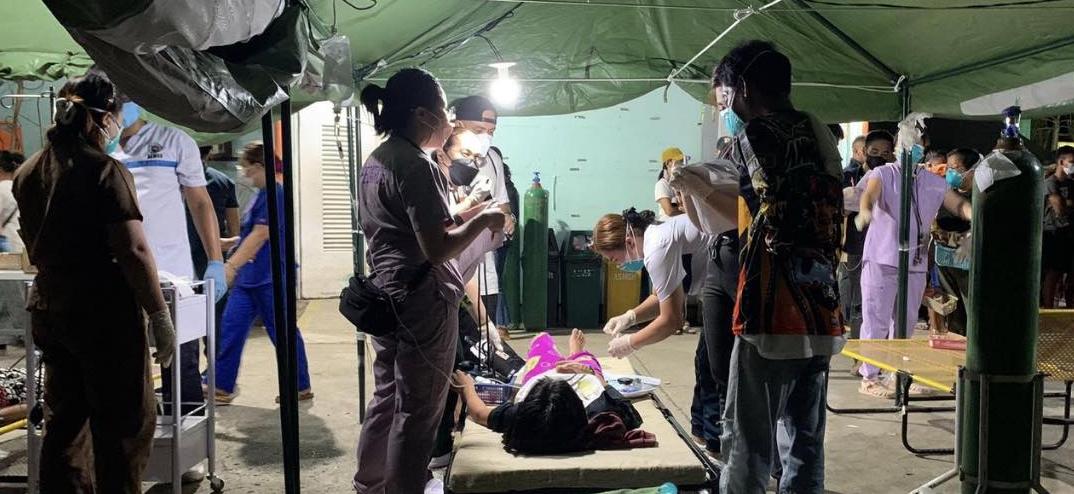
Poisoned and Silenced: A Study of Pesticide Poisoning in the Plantations

A study on women workers from selected plantations in the country revealed certain critical issues that need urgent attention. The study comprised a questionnaire survey, blood sampling for plasma pseudo cholinesterase enzyme and self-health monitoring cards ori which respondents recorded their daily symptoms of pesticide exposure. This ensured the participation of women in the monitoring […]

Read more

IPAM Secretariat

c/o PAN Asia Pacific
48 Persiaran Mutara 1
Pusan Komersial Bandar Mutiara
14120 Simpang Ampat
Penang, Malaysia
envelopephone linkedin facebook pinterest youtube rss twitter instagram facebook-blank rss-blank linkedin-blank pinterest youtube twitter instagram