This pamphlet shows the results of the research on brinjal diversity which aimed to screen which brinjal cultivars are adaptable in the local context considering yield, taste, water stress and pest resistance.
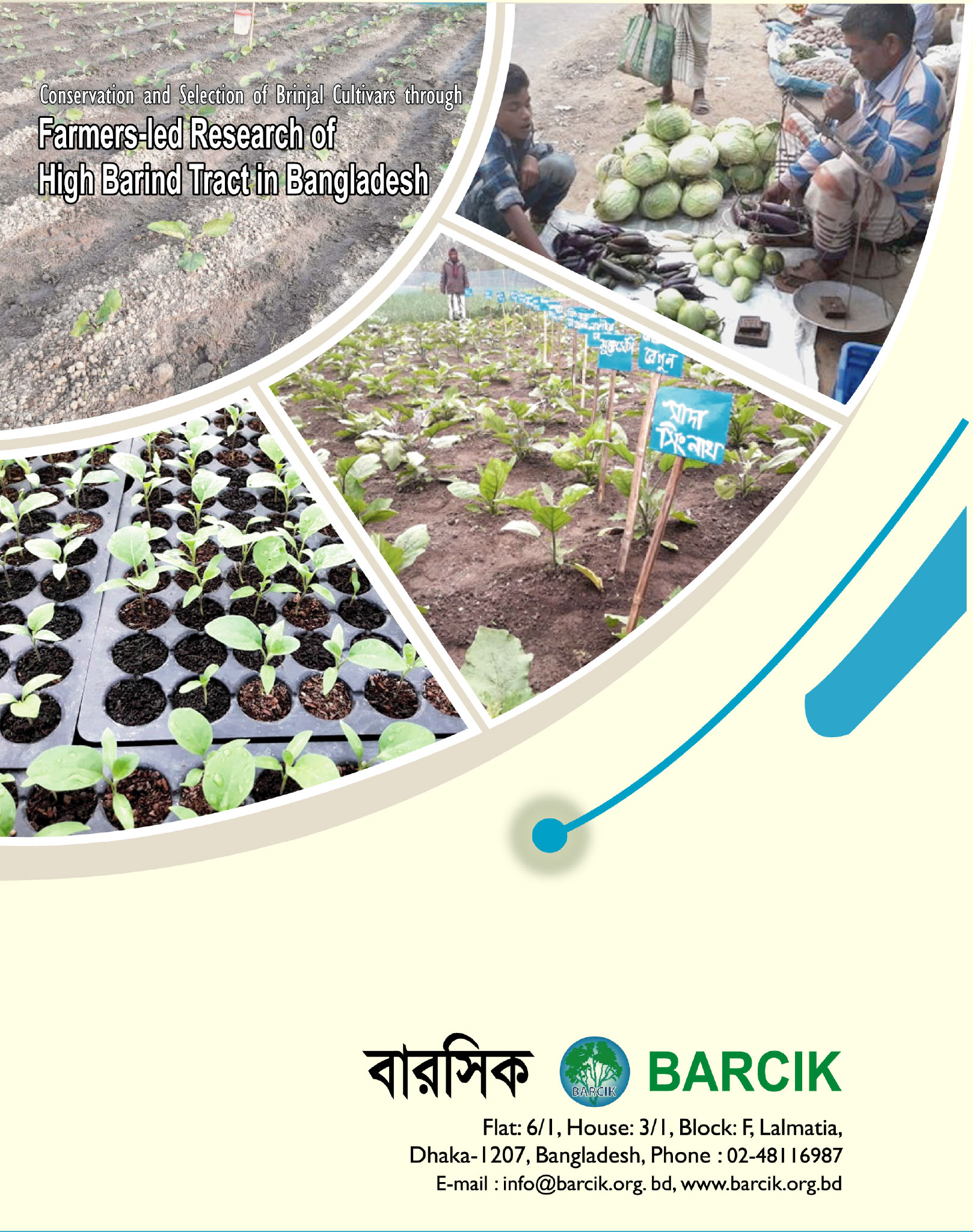
This pamphlet shows the results of the research on brinjal diversity which aimed to screen which brinjal cultivars are adaptable in the local context considering yield, taste, water stress and pest resistance.
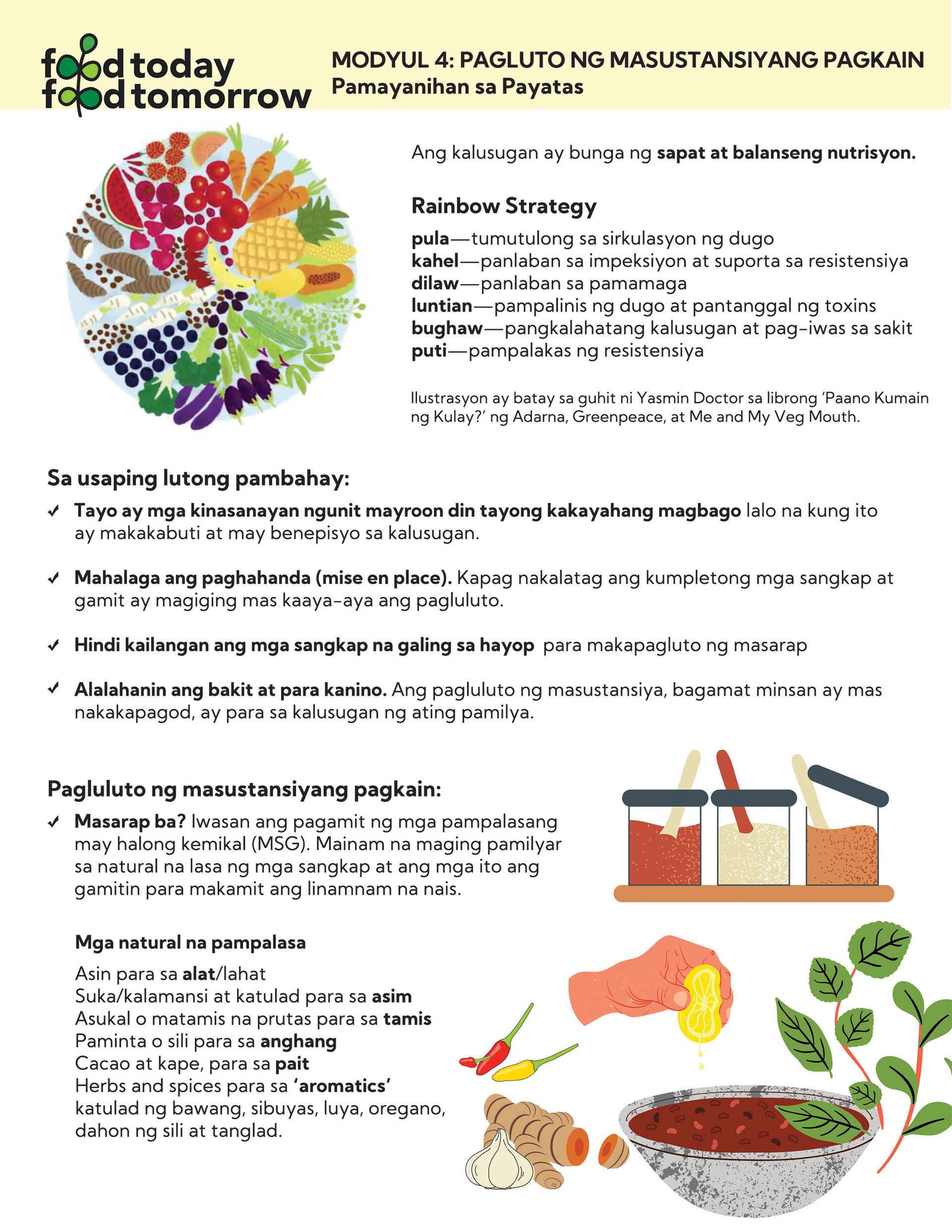
This module emphasizes the importance of access to fresh and natural plant foods due to their benefits. While “healthy plant-based cuisine” may seem a novel concept, a lot of agricultural societies and peasant communities, particularly in the Global South, actually practice healthy cooking with their reliance on fresh ingredients, often grown or raised in their […]
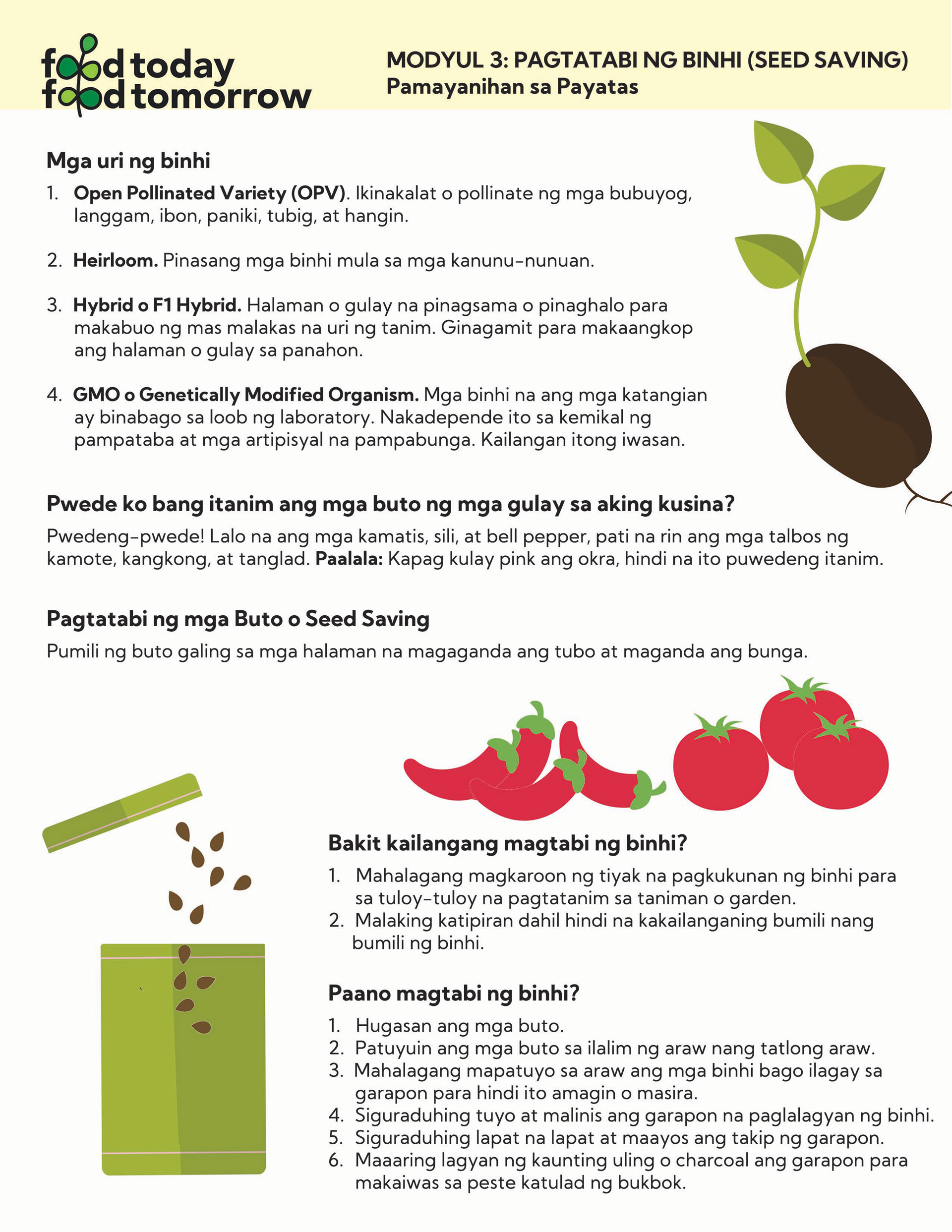
One of the first concerns of the urban poor growers was how expensive hybrid seeds were and that offspring from such seeds were not viable so that they would need to keep buying seeds. It was important to use open-pollinated, non-GMO seeds that they could save and exchange. Food Today Food Tomorrow promotes the use […]
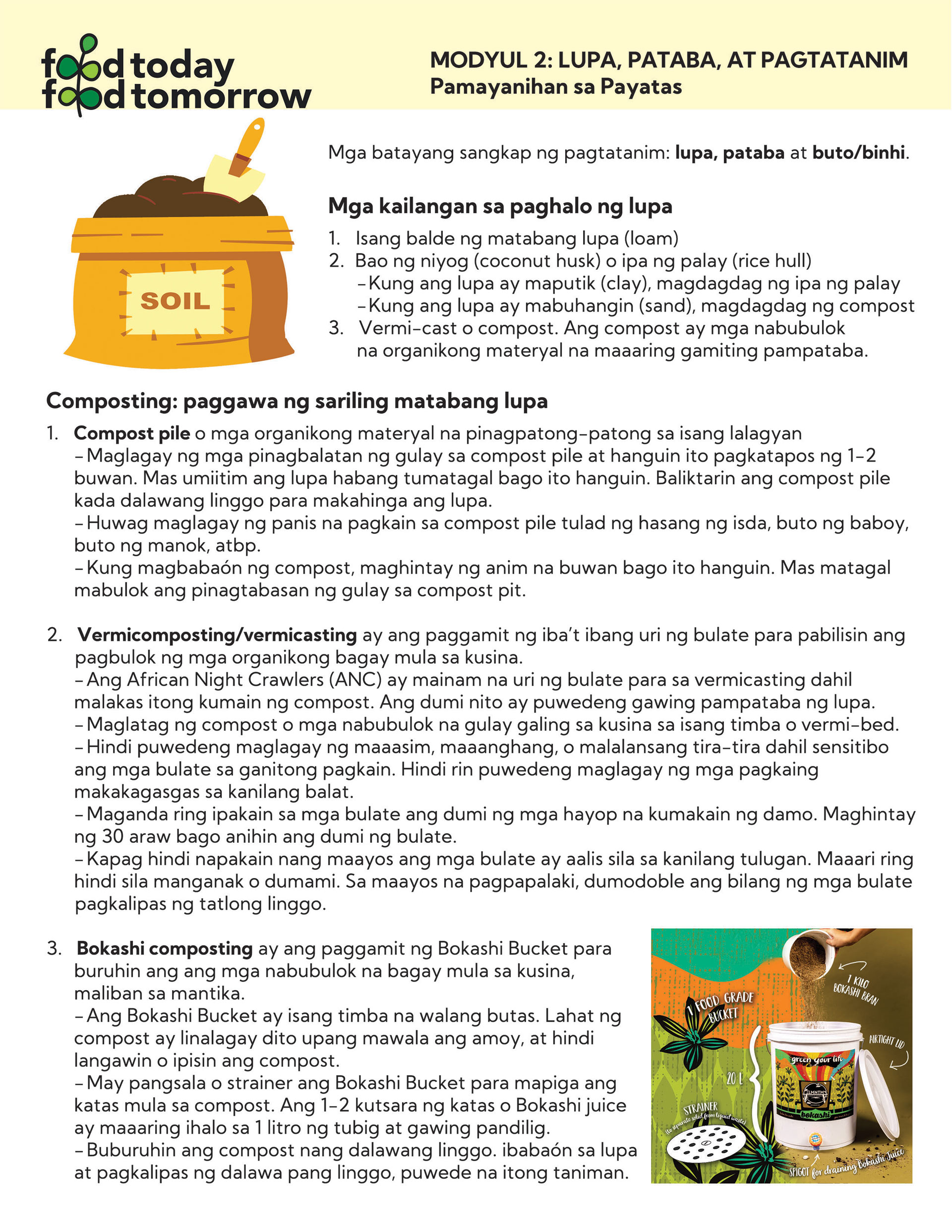
Traditional farming in the Philippines is organic by default and relies on bayanihan, where the farmers organize themselves to work together and share in the labor and resources to grow food. Farmers had agency and control over their production resources. With secure tenure over their land, they could feed themselves their families and communities safe […]
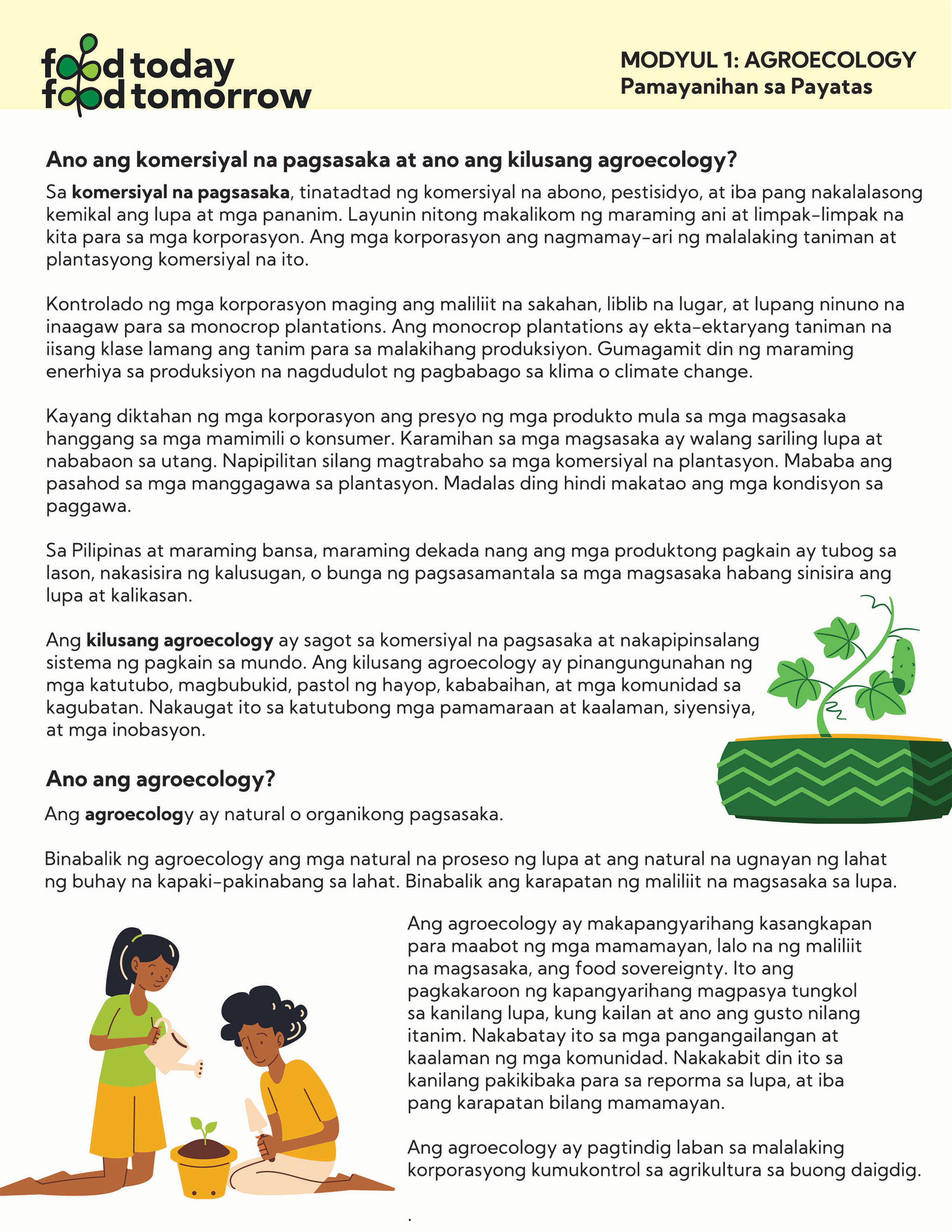
Agroecology recognizes the broader context within which the problem of food insecurity plays out–a world where the economic, social, and political rights of the urban poor are neglected, where their agency and power over their lives are persistently undermined. Agroecology is necessary in the creation of the food gardens, given its grounding in the specific […]
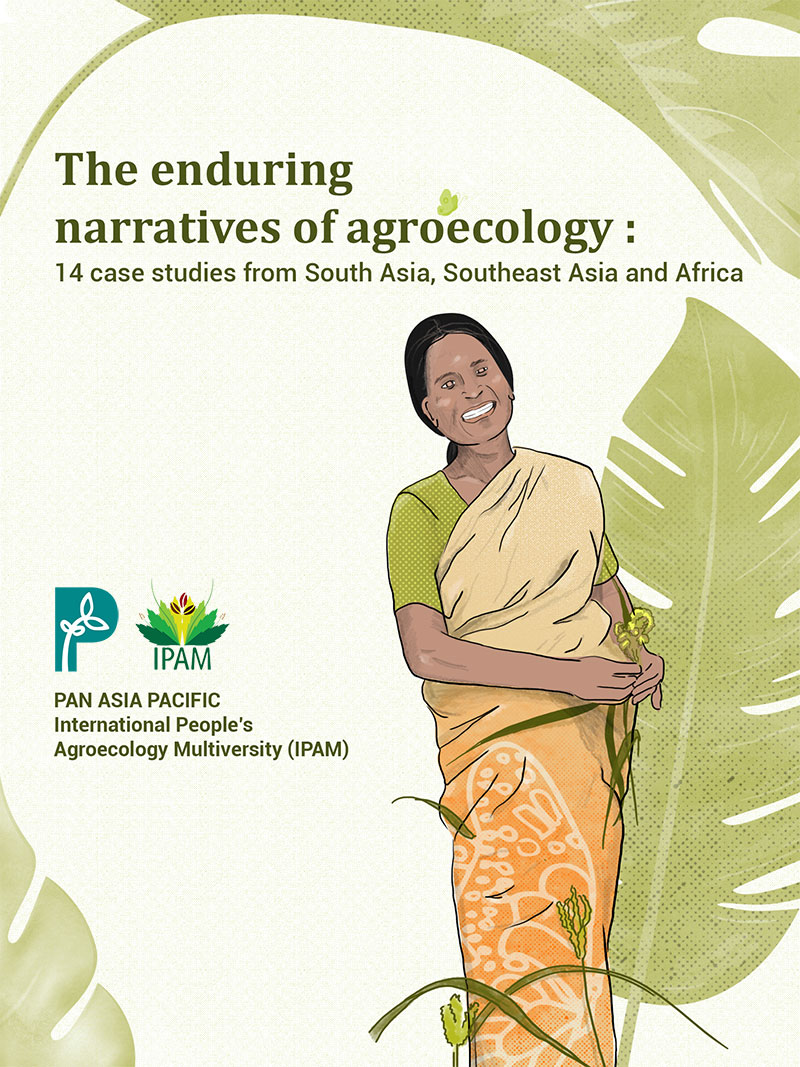
The Book gathers fourteen inspiring stories from six countries as evidence to the transformative power of biodiversity-based ecological agriculture on the economic, social and cultural life of farming communities. The case studies demonstrate how diversified agricultural systems helped farmers abandon chemical inputs, increase income from organic methods, improve soil health and biodiversity, develop climate-resilient production, […]
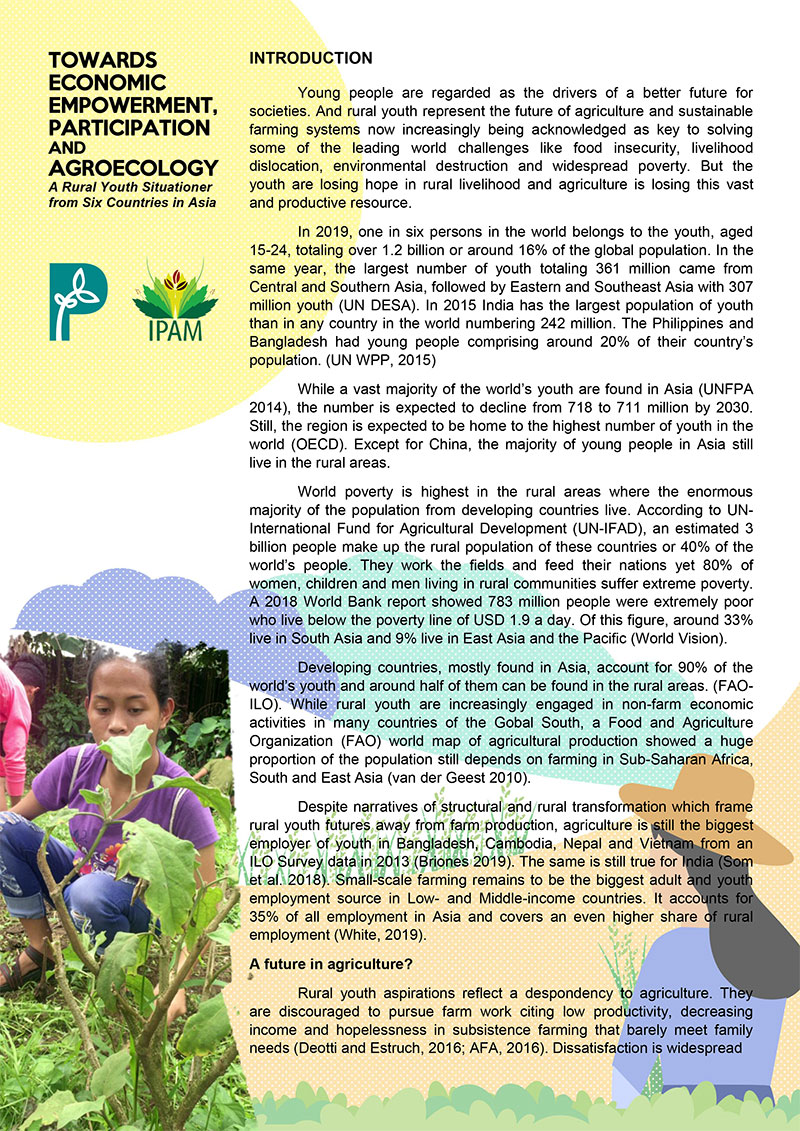
This Rural Youth Situationer is a product of a survey conducted by PAN Asia Pacific (PANAP) between 2018 and 2019 among rural youth in Asia in cooperation with six partner organisations.
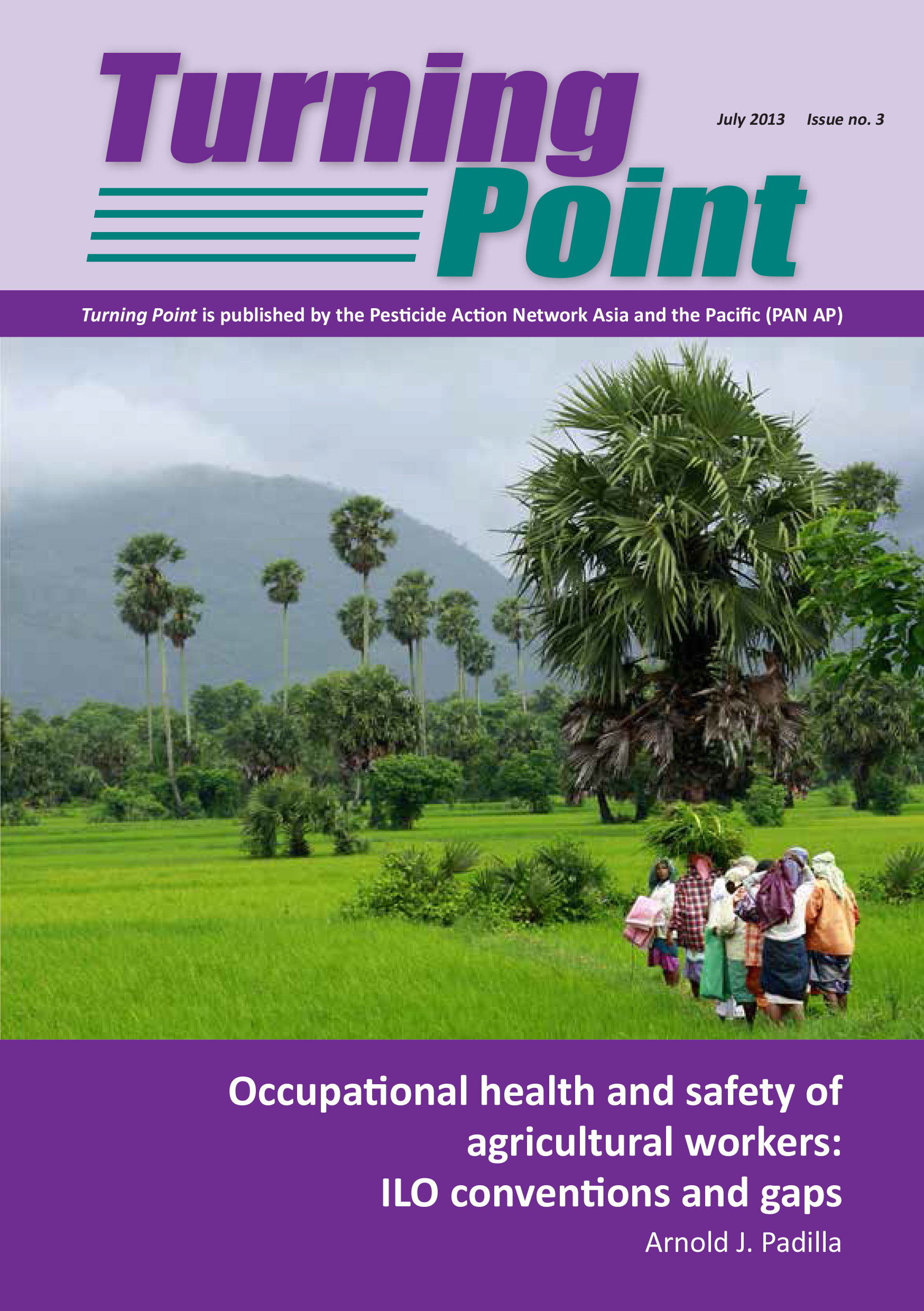
Aimed at identifying the gaps in existing International Labour Organization Conventions on occupation-related health and safety risks in agriculture, this scoping paper seeks to review the 1990 Chemicals Convention (C190) and the 2001 Safety and Health in Agriculture Convention (C184), and identify areas for campaign and engagement to improve the rights and welfare of agricultural […]
We live in a world sadly dominated by the trinity of “badness” – the culture of violence, of manipulation and of waste. People everywhere are rising against this badness – a phenomenon that Paul Hawken calls “Blessed Unrest”. We see springs of action, candles of hope, sparks of courage that are making a difference. There […]
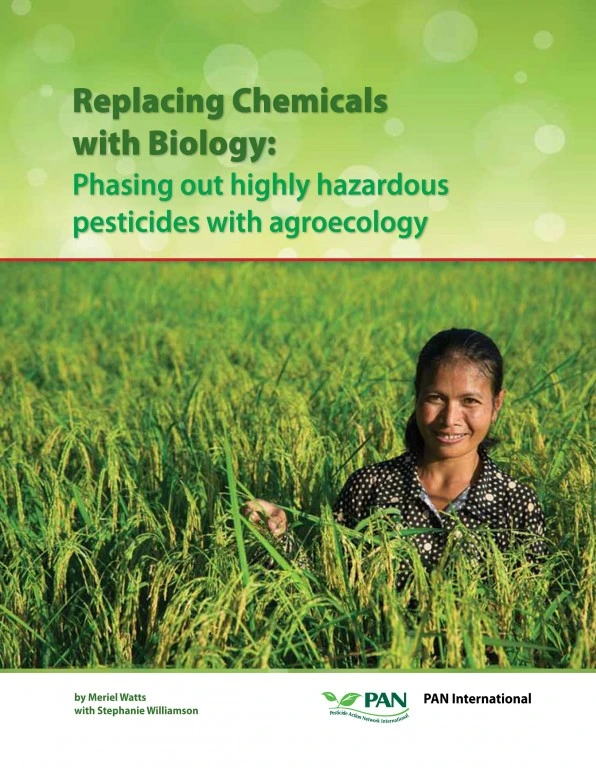
This publication provides information drawn from all regions to assist countries in replacing HHPs with ecosystem-based approaches to pesticide and crop management – replacing chemicals with biology. It draws together previously published and new material in a form that is accessible for policy- and decision-makers at the national and international level, as well as providing […]
