Agroecology Stories

Stories of Laos Model Farmers: Freedom from Poverty through Organic Farming

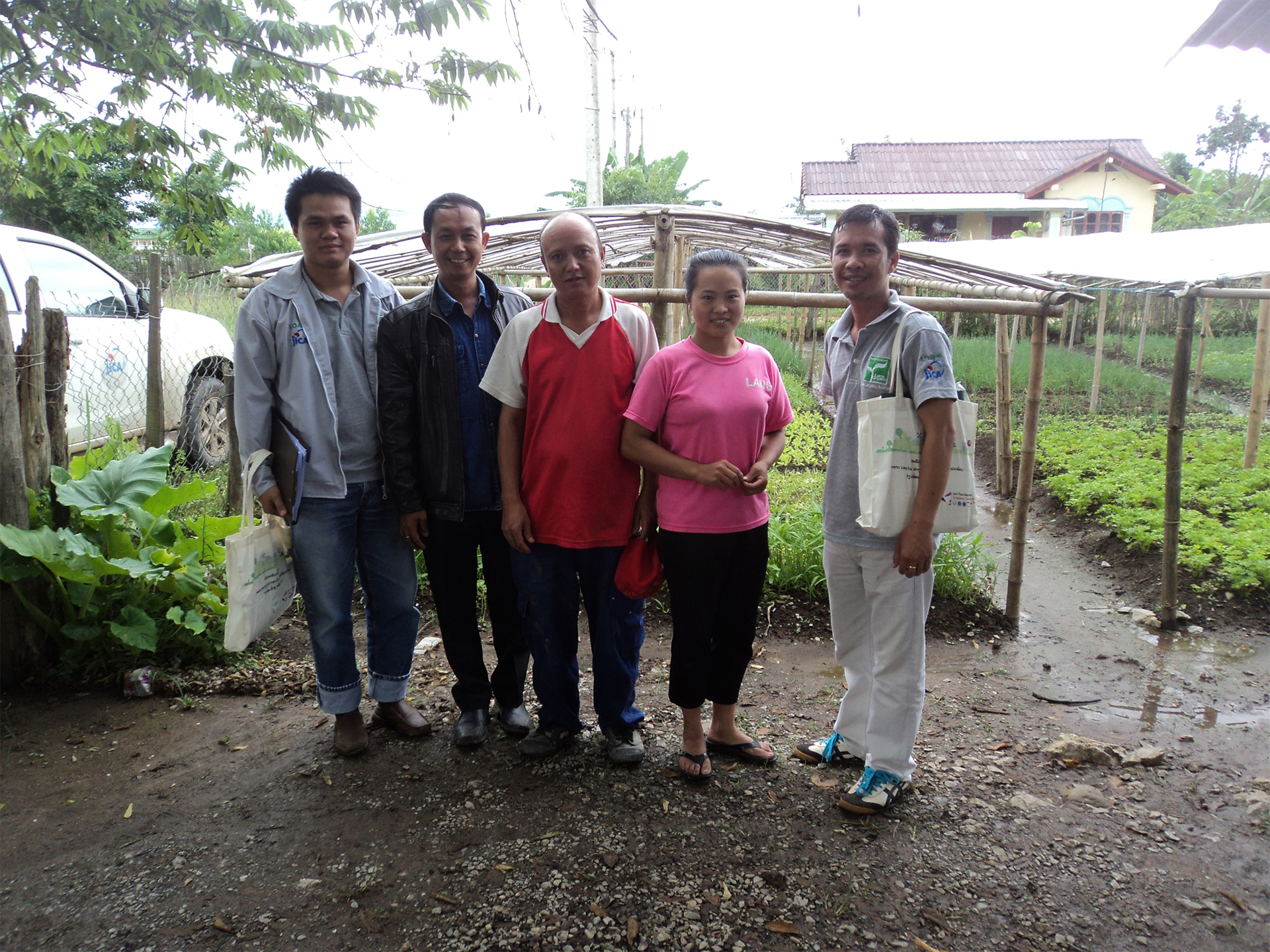
““My family was trapped in poverty,” shares Laryer Law, a 27-year-old farmer who previously worked knitting Moung patterns. Facing job insecurity, she earned between 300,000 to 500,000 kips a month. At roughly USD14 to USD24, it was not enough for her family to live on. Like Laryer, Seephan Phengkamma experienced poverty, and would need help […]
Bread for the World
Read More

Stories of Laos Model Farmers: Harvesting Health and Happiness with Organic Farming

““When I used chemicals, my health was not good,” says Phonexay Thammavong, a farmer from Horkang village in Phaxay district, who would use pesticides to address an insect problem. When a program promoting organic agriculture came to her village, she was very interested and consulted her family, who agreed that they would participate in the […]
Bread for the World
Read More

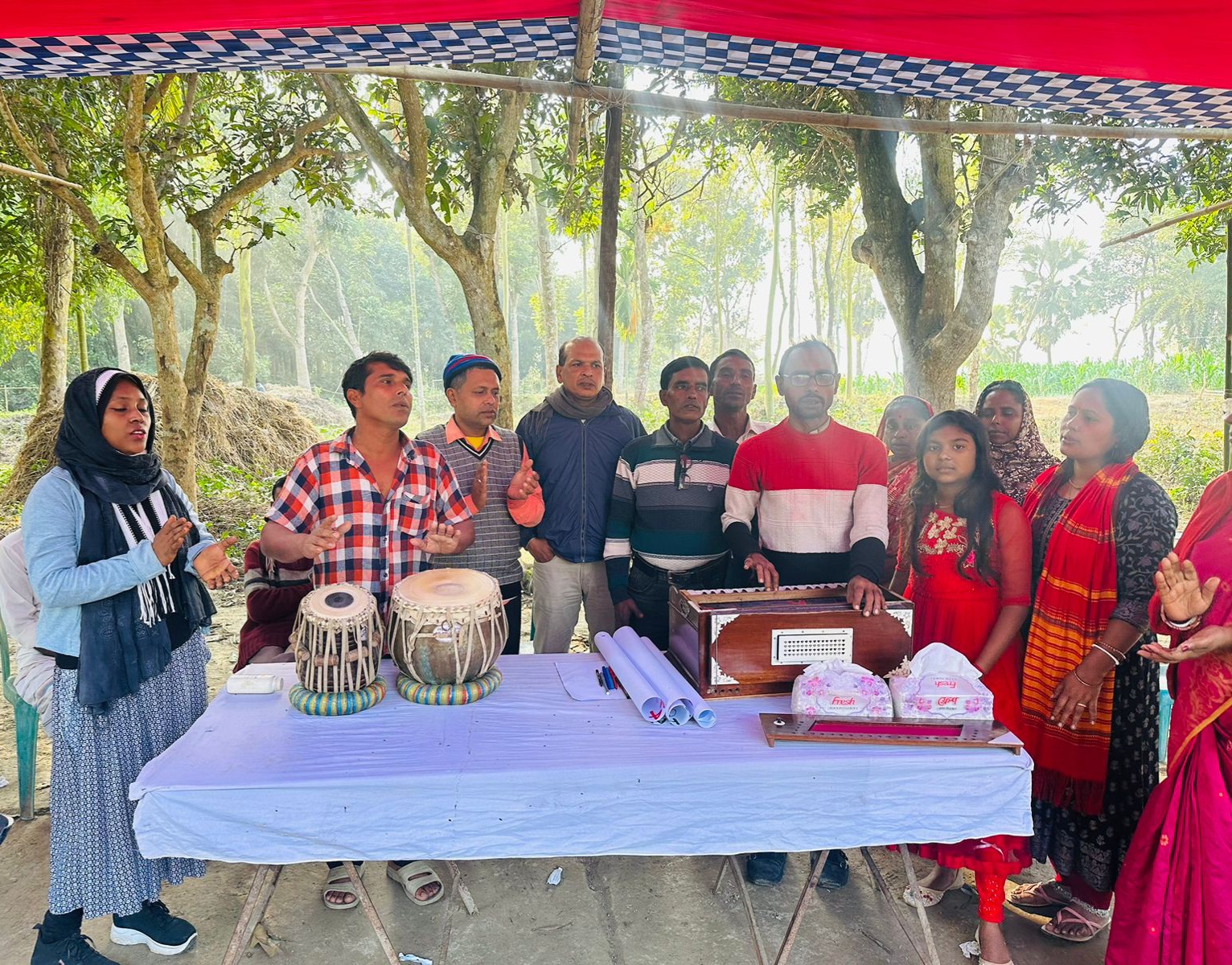
Empowering Farming Communities through Farmer-to-Farmer Knowledge Sharing

by Ananna Ahmed and Sonjita Kirtuniya In the advancement of agro-ecology, farmer-to-farmer knowledge sharing is a linchpin for progress. This exchange of insights and experiences among farmers serves as a catalyst for enhancing farming practices and bolstering community resilience. Through such initiatives, farmers gain invaluable exposure to new technologies, innovative techniques, and best practices, ultimately […]
Read More

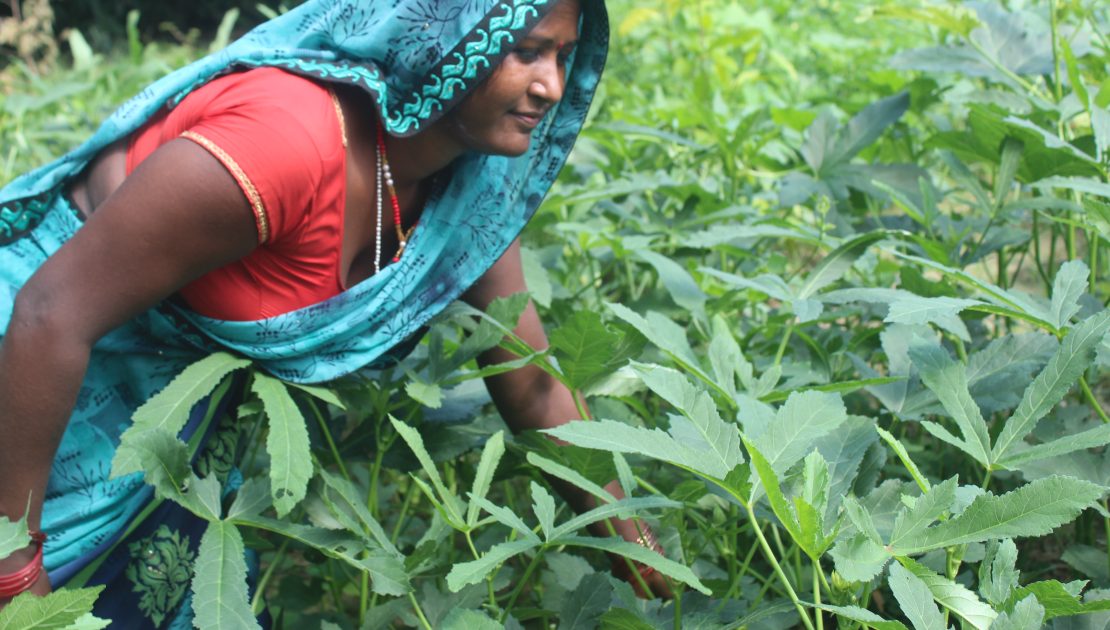
A Story of Ms. Nimkala Chauhan : Chemical to Chemical free Farming

Nimkala Chauhan is living in Kapilvastu Municipality Ward No. 12, Vithuva. She is from marginalized community in terms of economic condition. She has 2 sons, 1 daughter, 2 mother/father-in-law, her husband and herself altogether 7 people are living in her family. In order to fulfill their basic needs, she had taken 5 kattha (0.169 hectare) […]
Caritas Nepal
Read More

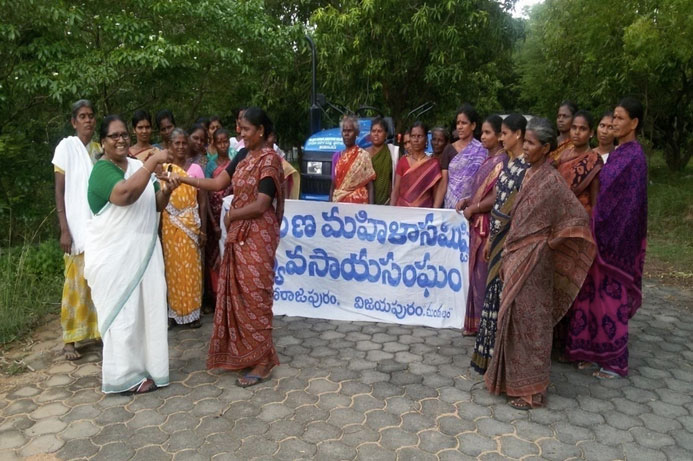
Maharajapuram Dalit Women Reclaim Land through Collective Farming

Women constitute 60% of the agricultural labor force in India, yet they only own 13.96% of agricultural lands, according to the Agricultural Census 2015-2016. Indian society’s low regard of rural women means they cannot inherit or own land, making them economically dependent on others. Discriminatory practices deny women their basic rights, even though the Hindu […]
Grameen Makhila Abiviruthi Sangatna (Rural Women Farmers’ Development Collective)
Read More
IPAM Secretariat

c/o PAN Asia Pacific
48 Persiaran Mutara 1
Pusan Komersial Bandar Mutiara
14120 Simpang Ampat
Penang, Malaysia
envelopephone linkedin facebook pinterest youtube rss twitter instagram facebook-blank rss-blank linkedin-blank pinterest youtube twitter instagram