Topic: Highly Hazardous Pesticides

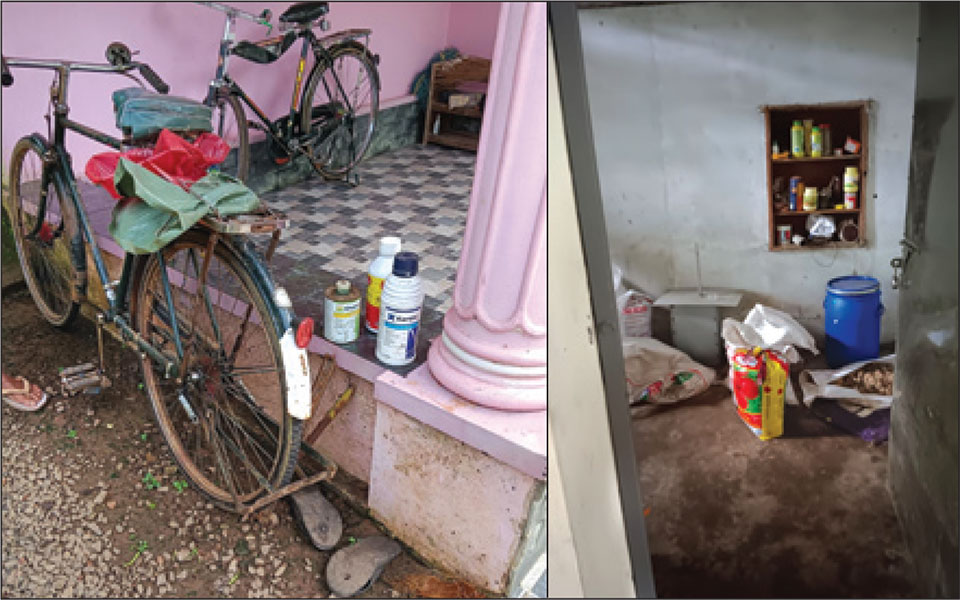
“Highly Hazardous Pesticides means pesticides that are acknowledged to present particularly high levels of acute or chronic hazards to health or environment according to internationally accepted classification systems such as WHO or GHS or their listing in relevant binding international agreements or conventions. In addition, pesticides that appear to cause severe or irreversible harm to health or the environment under conditions of use in a country may be considered to be and treated as highly hazardous”. (Definition as per International Code of Conduct on Pesticide Management, adopted by FAO and WHO in 2013). A considerable proportion of the pesticides still being used in the world can be considered highly hazardous, because they have a high acute toxicity, have known chronic toxic effects even at very low exposure levels, or are very persistent in the environment or in organisms, for example. Highly hazardous pesticides (HHPs) pose significant risks to human health or the environment.
Resource

How Pesticide Residues in Crops Can Cause Cancer

In this video, educationist, environmentalist, and organic gardener Nasira Habib is interviewed by Zafar Kalanauri on the health risks associated with pesticide residues in crops, including potential long-term diseases such as cancer. They discuss how these residues enter the food chain, their possible impacts on human health, and what current scientific research says about their […]

Read more
Update

Lawmaker Urges Ban on Deadly Herbicide Paraquat Dichloride

A lawmaker from India raised alarm over the widespread use of the highly toxic herbicide paraquat dichloride. Dr. Kadiyam Kavya, a congress member of the parliament from the city of Warangal in Telangana, calls for the pesticide’s immediate ban to safeguard farmers, rural communities, and the environment. Speaking during a congress session, Kavya warned that […]

Read more
Update

The Urgent Need to Phase Out Hazardous Pesticides

Pesticide use is taking a serious toll on our farmers’ health. The data from a joint research by PAN India and PAN AP involving 430 farmers, reveals alarming acute health issues— vomiting (53.72%) and nausea (41.86%) are most common, along with skin rashes, headaches, dizziness, breathing difficulties, and blurred vision. These symptoms remain largely underreported […]

Read more
Update

Building Collective Action for Healthier Communities: CPAM Training Highlights

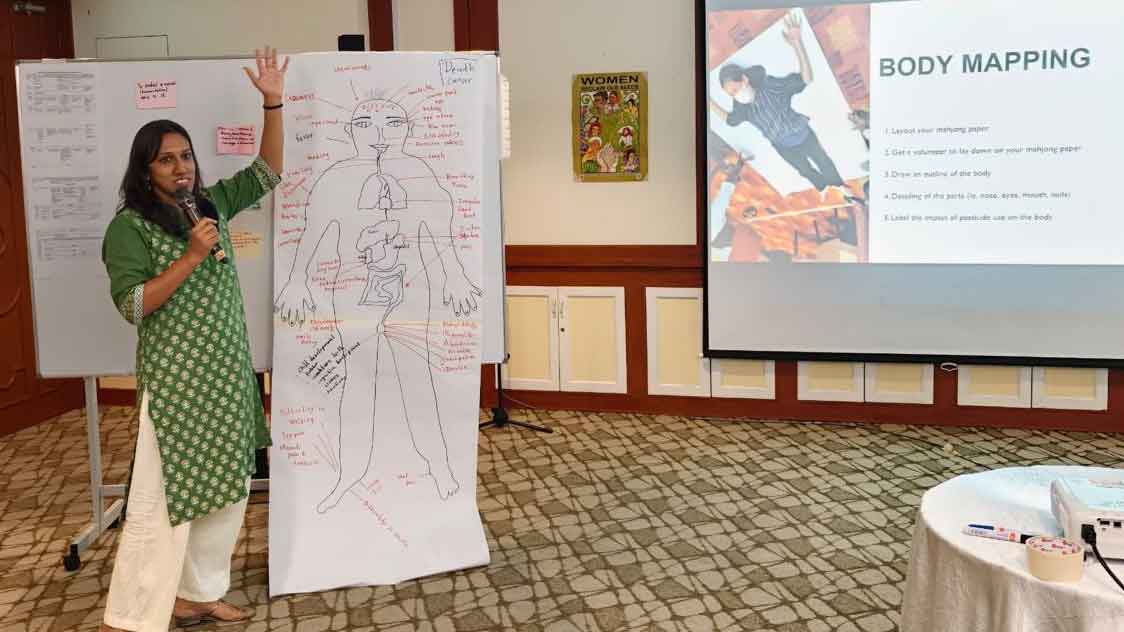
Organised by PAN Asia Pacific (PANAP), Community Pesticide Action Monitoring (CPAM) & Focus Group Discussion Training in Penang brought together participants from Indonesia, Malaysia, Pakistan, Philippines, and Sri Lanka. Day 1 It kicked off with shared expectations, an introduction to PANAP, and the basics of CPAM. The day also featured sessions on health impact body […]

Read more
Update

Widespread pesticide use harms soils life

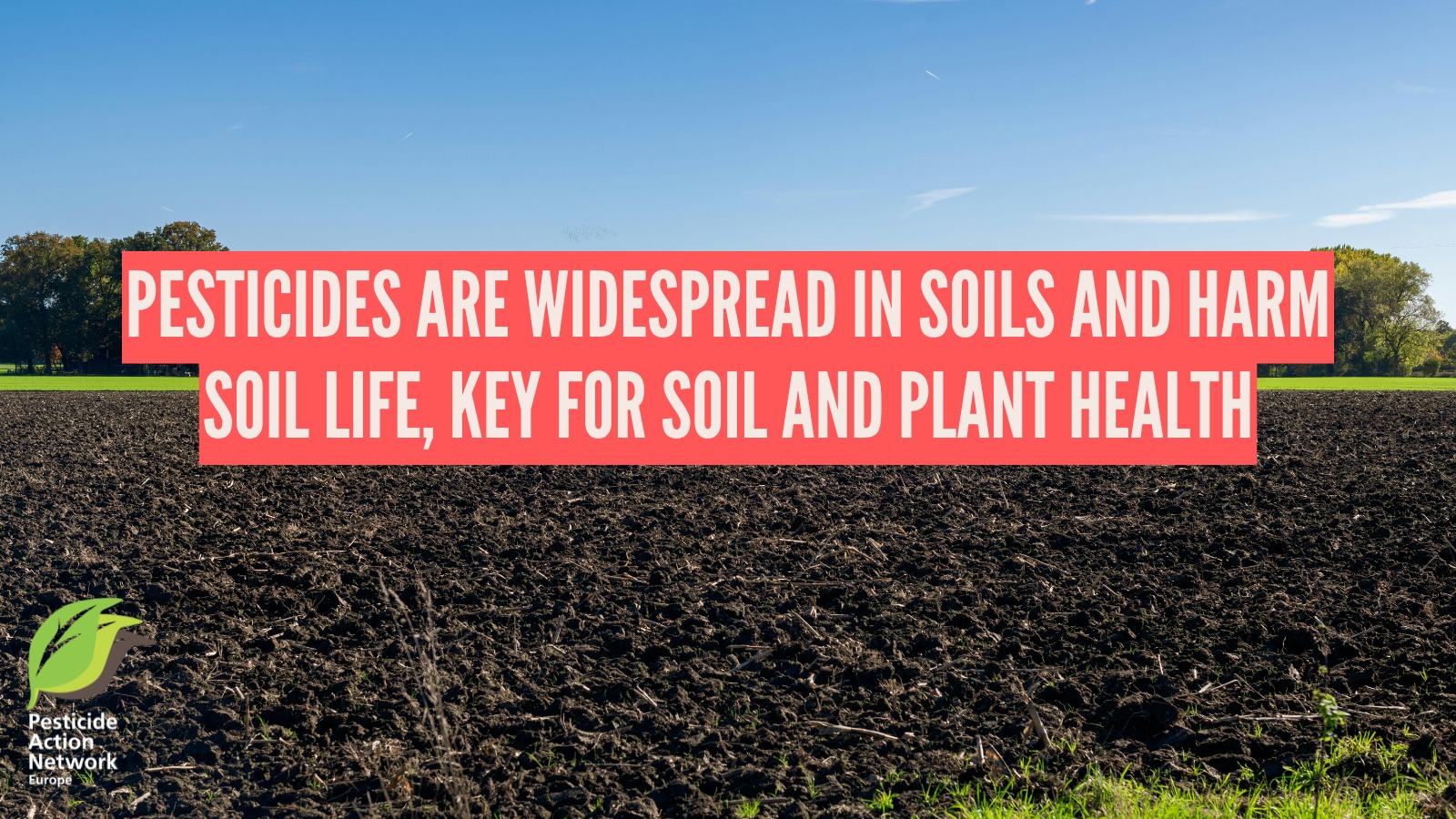
Healthy soils are the foundation of life—yet pesticides are reshaping them in dangerous ways. A landmark study across 26 European countries shows pesticide residues as the second biggest driver of soil biodiversity loss, harming beneficial fungi and nematodes while boosting pathogens. Researchers stress the urgent need for EU risk assessments to better capture the broader […]

Read more
Resource

From the Ground Up: Documenting Pesticide Use in Bangladesh, India, Laos & Vietnam

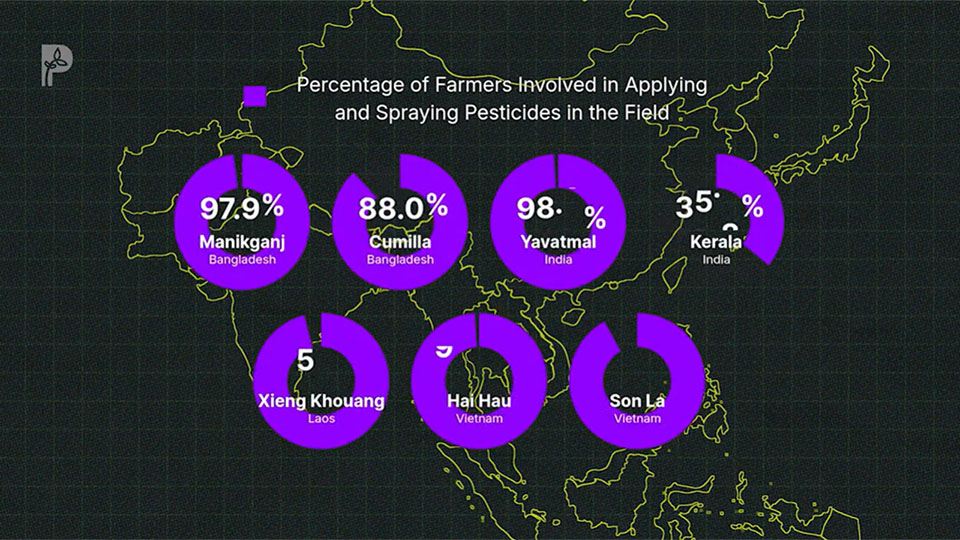
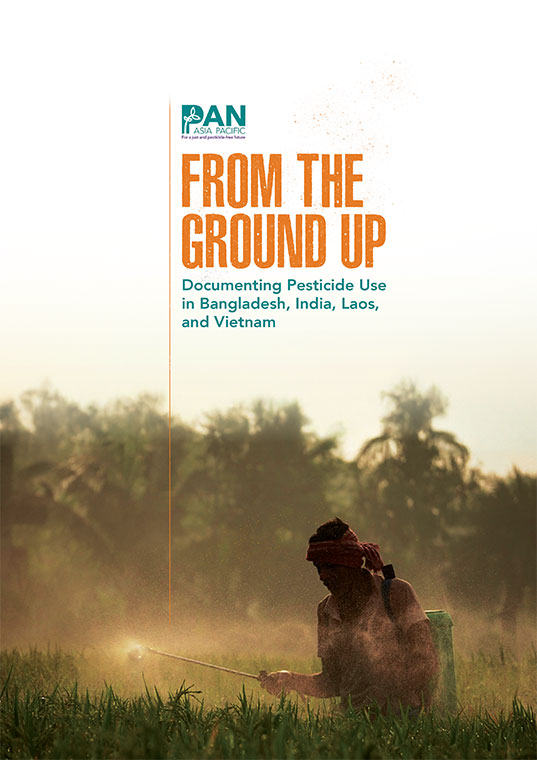
This report exposes alarming levels of pesticide exposure faced daily by farming communities in Bangladesh, India, Laos and Vietnam. The report underscores that the right to health, safe food, and a safe environment is being systematically undermined in rural Asia. A total of 4,392 farmers were surveyed across the four countries covered in this report. […]

Read more
Update

FROM THE GROUND UP: New Report Exposes Widespread Pesticide Risks in Bangladesh, India, Laos & Vietnam

PAN Asia Pacific (PANAP) releases its new report, From the Ground Up: Documenting Pesticide Use in Bangladesh, India, Laos & Vietnam, exposing alarming levels of pesticide exposure faced daily by farming communities across the four countries. The report underscores that the right to health, safe food, and a safe environment is being systematically undermined in […]

Read more
Update

Demand for Urgent Probe and Accountability over Pesticide Poisoning of Children in the Philippines

PENANG, Malaysia – Pesticide Action Network Asia Pacific (PANAP) strongly condemns the recent mass poisoning incident that took place at Pis-anan National High School in Sibalom, Antique, Philippines, which led to the hospitalisation of nearly 250 students on July 2, 2025. The toxicological analysis confirming the presence of cypermethrin, a Highly Hazardous Pesticide (HHP), in […]

Read more
Resource

Agroecology in Action Newsletter [2024 May-June]

Agroecology in Action Newsletter is a bi-monthly bulletin published by PAN Asia Pacific that highlights the grassroots work of International Peopleʼs Agroecology Movementsʼ (IPAM) field learning sites to promote agroecology as a sustainable approach to agriculture and food production and development, in the framework of food sovereignty, ecological and social justice.

Read more
Resource

Time to Act: Phase Out Highly Hazardous Pesticides

Toxic chemical pollution is increasing worldwide, and among the most dangerous are Highly Hazardous Pesticides (HHPs) that cause cascades of severe and irreversible damage on the health of people, communities, and the environment. There is an urgent need to phase out HHPs. This 90-second video is part of PAN’s global campaign demanding ambitious action on […]

Read more

IPAM Secretariat

c/o PAN Asia Pacific
48 Persiaran Mutara 1
Pusan Komersial Bandar Mutiara
14120 Simpang Ampat
Penang, Malaysia
envelopephone linkedin facebook pinterest youtube rss twitter instagram facebook-blank rss-blank linkedin-blank pinterest youtube twitter instagram