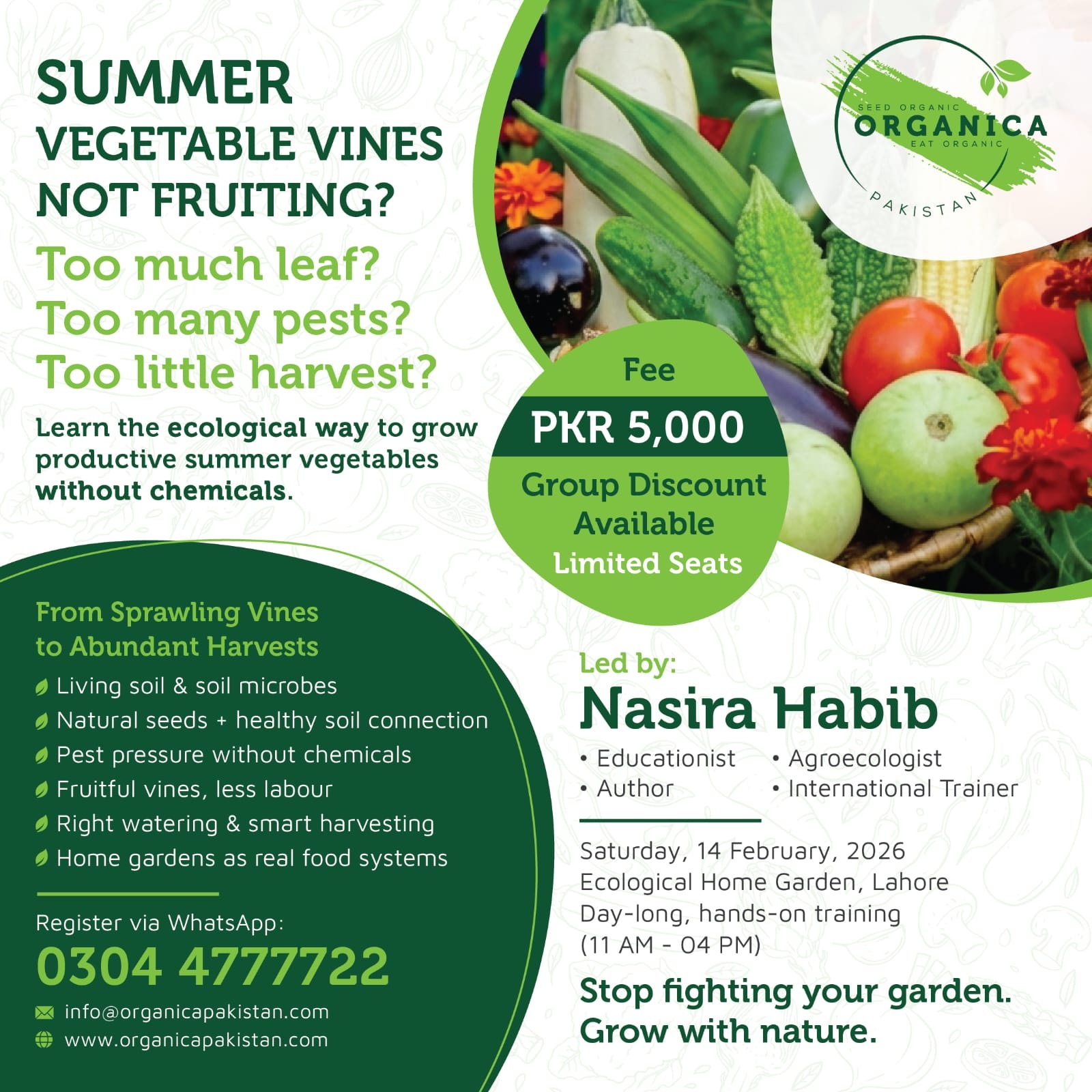
From Sprawling Vines to Abundant Harvests
Learn the ecological way to grow productive summer vegetables without chemicals.

Learn the ecological way to grow productive summer vegetables without chemicals.


In two (2) days, participants will be introduced to basic information on seed science; these include parts of the seed and types of seed. There will also be a demonstration on various traditional seed preservation techniques.


In one (1) day, training participants shall be introduced to zero-chemical means to produce rice. Topics include proper water and weed management, land preparation, plating distance, life cycle of rice plants, common pests and beneficial insects in rice fields as well as proper application of organic concoctions.


In this two (2) day training, participants are introduced to the reproductive parts of the rice plant, the breeding processes and varietal selection. Training participants are given a hands-on demonstration on emasculation and pollination.


In two (2) days, participants will be introduced to basic information on seed science; these include parts of the seed and types of seed. There will also be a demonstration on various traditional seed preservation techniques.


In this three (3) day training, participants are introduced to the key importance of biodiversity and its role in improving the natural systems of the earth that are related soil fertility and pest management. Basic soil science will be discussed and training participants will be asked to ascertain the physical characteristics of their farms and identify possible sources of biomass. There will be a one day demonstration on how to make various organic concoctions, composting techniques, insect attractants/repellants. The impacts of chemical agriculture on soil fertility and pest prevalence are discussed in detail.