PAN International’s Agroecology Workgroup recently published a series of case studies spotlighting agroecology in action around the world. Agroecology provides a robust set of solutions to the ecological, environmental, social, and economic pressures we face when it comes to growing food.
These case studies illustrate the validity of agroecology as a climate-resilient solution. Agrichemical corporations spend millions of dollars trying to convince us that the Indigenous wisdom that lays the foundation for the principles of agroecology is unrealistic for modern agriculture. But the truth is, farmers around the world are already using these methods to successfully transition away from the toxic pesticides and fertilizers that pollute soil and water and endanger farmworkers and communities.
Agroecology in Africa
In Benin, Action Group for the Promotion and Protection of Flora and Fauna (GAPROFFA), illustrates how agroecology’s best practices are gaining ground through farmer field schools. Farmers are learning about ways they can integrate biological control, integrated pest management, and Indigenous knowledge into their own operations. Importantly, these practices don’t just have climate benefits, they also increased household income and food security, gender equity, and strengthened communities.
Over the last five years in Ethiopia, more than 1,200 farmers have been trained on agroecological pest management methods and 92% of these farmers adopted at least one method. As a result, researchers saw a marked decrease in reported health incidents linked to use of pesticides (20% at baseline compared to 5.5% at the end of the study). Across the study, several benefits were recognized pertaining to climate mitigation and adaptation, biodiversity, gender equity, and community organization. Farmers also realized reductions in production costs, yield increases, and increases in net income.
Elsewhere, in Burkina Faso, agroecological efforts like sahelian bocage (an agroforestry practice) to combat the harms of conventional agriculture (natural resource degradation, food insecurity, and the growing impacts of climate change). These difficulties have been increasing since the 1990s and are documented by PAN International partner Association Jeunesse pour l’Environnement et le Developpement Durable (AJEDD). Agroecology practices like sahelian bocage actually help depleted land recover from conventional agriculture and builds up resilience over time.
The Kenya case study distills over 15 years of effort for climate resilience through agroecology. Grow Biointensive Agriculture Centre of Kenya (G-BiACK) began documenting agriculture practices in central Kenya in 2009 and observed heavy dependence on toxic pesticides and synthetic fertilizers. They also observed the impacts of that dependence: unpredictable rainfall, sick children, and decreasing yields. G-BiACK encountered resistance to agroecology, which was initially dismissed as “going backwards.” With time and patience they ultimately reached over 30,000 farmers, saw adoption rates of 52%, synthetic input reduction of 60%, and a 30% income increase on average. Farmers have improved both their lands and their livelihoods, while mitigating the effects of climate change for future generations!
Agroecology in Asia
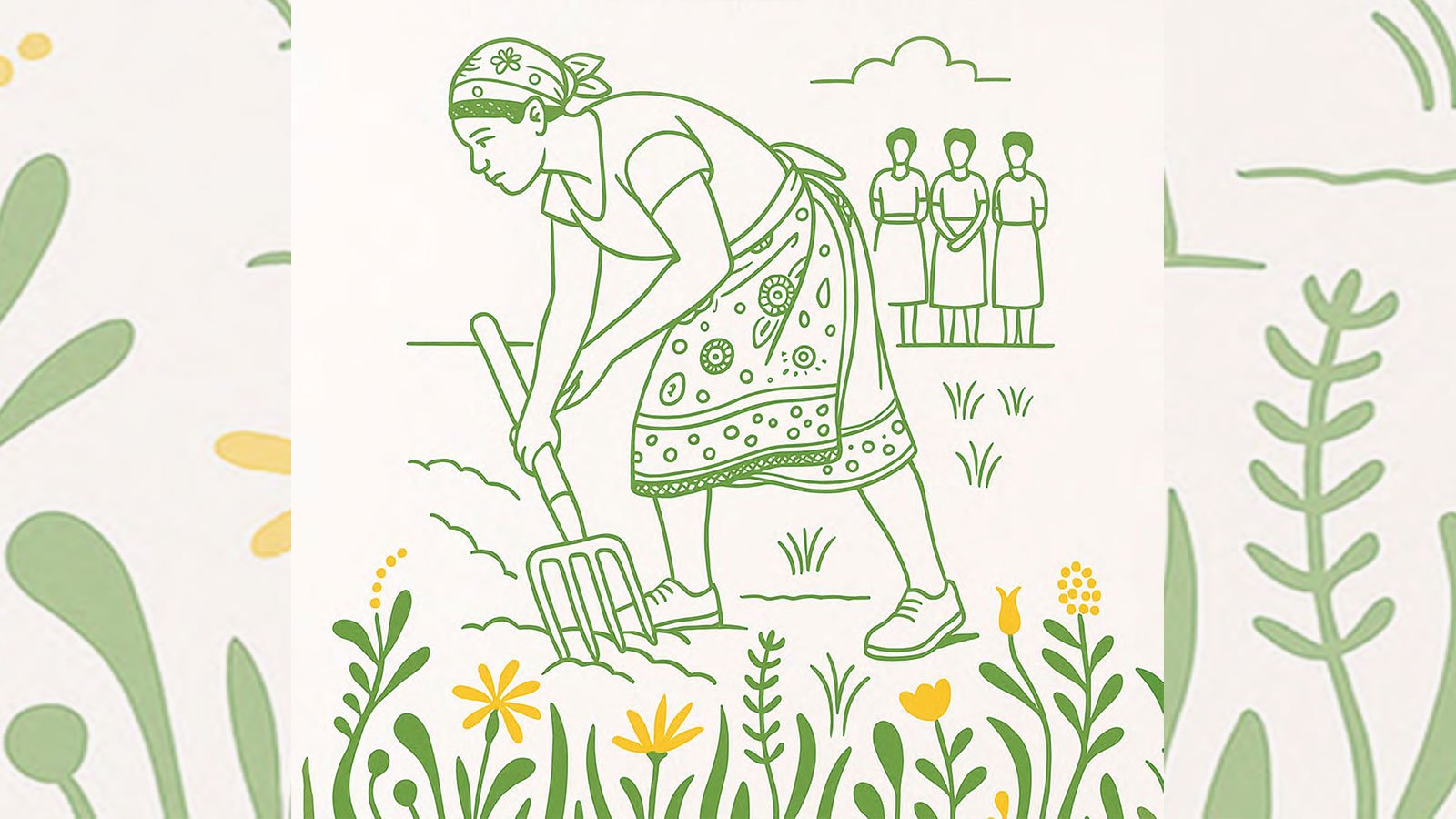
In Kerala, India, women are leading the way toward agroecological futures. Over the course of just three years, Thanal Trust and PAN Asia Pacific (PANAP) have trained and supported nearly 400 women farmers in transition to agroecological farming. Farmers were trained in various methods including conservative tilling to reduce soil erosion and improve soil structure, compost application, and natural pest control and fertilizer application. Like other studies, these farmers experienced a range of benefits including input reduction, improved soil structure and biodiversity, improved profit margins, and gender equity.
Agroecology in Latin America
This first case study, based in Argentina, focuses on a family-owned crop/livestock production system and highlights the transition from conventional agriculture to agroecology. El Paraiso grows wheat and legumes and raises sheep and cattle. No synthetic agrichemicals are used on their 90 hectares of land. This case study illustrates the possibilities for significant transition when public policy supports sustainable agriculture. The property has been certified as agroecological by the Province of Buenos Aires, the farm has received free fruit trees and subsidies from the Ministry of Agriculture Affairs of Buenos Aires. The farm has access to loans with longer repayment terms and lower interest rates from the National Ministry of Agriculture. These supports have helped the farm’s transition and encourage more farmers to shift their practices as well.
At the Los Sukias farm in Costa Rica, large-scale agroecological production is spotlighted in this brief from the Regional Institute for Studies on Toxic Substances. The farm, which is certified agroecological and sells their products under the “EcoArroz” brand, uses minimum tillage, crop rotation, mulch, bioinputs, and integrated pest management. This model improves soil quality and strengthens biodiversity while increasing yields and reducing production costs. With over 216 hectares of land on their farm plus another 84 hectares of land leased for rice, Los Sukias is an incredibly inspiring model for agroecology at a commercial scale.
The Future of Food is Agroecology
These case studies represent a wide variety of crops, climates, and production models, but each of them illustrates what is possible with training, resources, ingenuity, and support. Farmers all around the world are realizing the economic, ecological, and health benefits of transitioning to agroecology. The wisdom is readily available, the tools are out there, and the principles are clear. Transitioning our food and farming systems toward agroecology is how we reduce our food’s reliance on toxic pesticides, and how we stop harming the environment and ourselves.