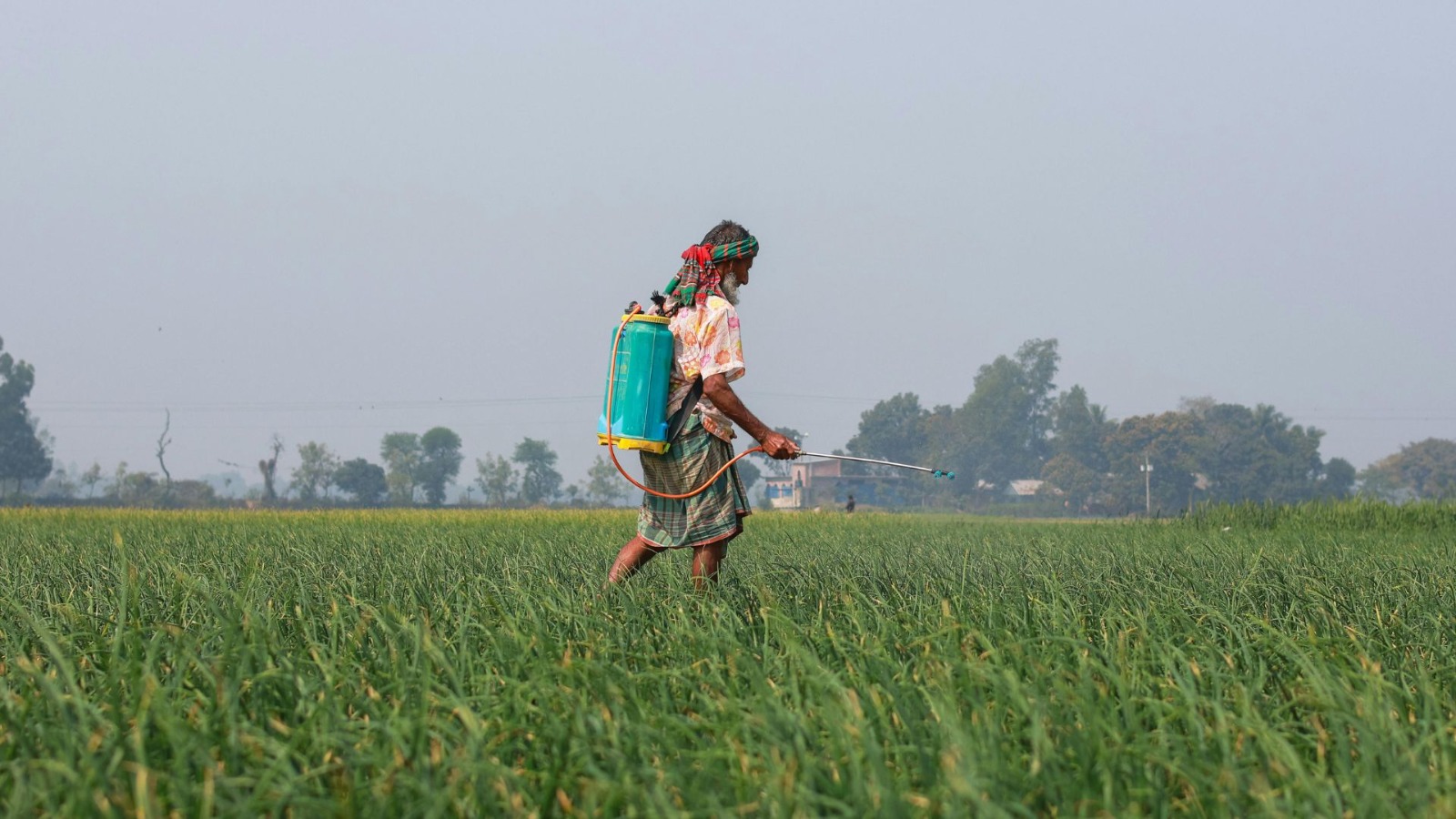
A lawmaker from India raised alarm over the widespread use of the highly toxic herbicide paraquat dichloride. Dr. Kadiyam Kavya, a congress member of the parliament from the city of Warangal in Telangana, calls for the pesticide’s immediate ban to safeguard farmers, rural communities, and the environment.
Speaking during a congress session, Kavya warned that paraquat is contaminating soil, water, and sand while posing grave risks to human health. She highlighted its misuse, noting its near-100% fatality rate and the absence of any antidote.
Her demand echoes appeals from medical bodies such as the Indian Medical Association (IMA) Telangana and other parliamentarians, who have flagged the herbicide’s dangers and pressed for safer alternatives, improved packaging, and awareness campaigns.
Paraquat is classified as a highly hazardous pesticide (HHP). Exposure can damage the liver, kidneys, stomach, intestines, and respiratory system, with inhalation posing severe risks to lung health. Large evidence has also linked exposure of paraquat to developing Parkinson’s disease. Despite its toxicity, it remains in use across India’s agricultural sector.
The pesticide has also become one of the preferred means for self-harm in rural areas, urging Kavya to call for the prohibition of its production. Recently, an actor has also joined the calls for the immediate ban of the widely-available chemical, after losing his brother to paraquat poisoning.
Civil society groups including Pesticide Action Network (PAN) India, in collaboration with PAN Asia Pacific (PANAP), are campaigning to eliminate paraquat and other HHPs. Their initiatives include farmer education, consumer awareness, and scientific research into long-term impacts. Advocates argue that policymakers must prioritize farmer welfare and environmental protection over corporate profits.
“Pesticides are designed to kill life,” PAN India noted in their 2022 report, which examined paraquat alongside chlorpyrifos, fipronil, and atrazine. “They are not only harming communities but also contributing to climate change. Banishing them is essential for conserving Earth’s biodiversity.”
As pressure mounts from lawmakers, medical associations, and advocacy groups, the debate over paraquat dichloride underscores a broader reckoning with pesticide regulation in India. Last month, a major paraquat producer, Syngenta, has announced its withdrawal from paraquat production by the end of June. Yet, the call for a complete global ban still continues.
Currently, the Telangana government has announced a 60-day ban on paraquat and its derivatives, citing serious risks to human health and animal safety.