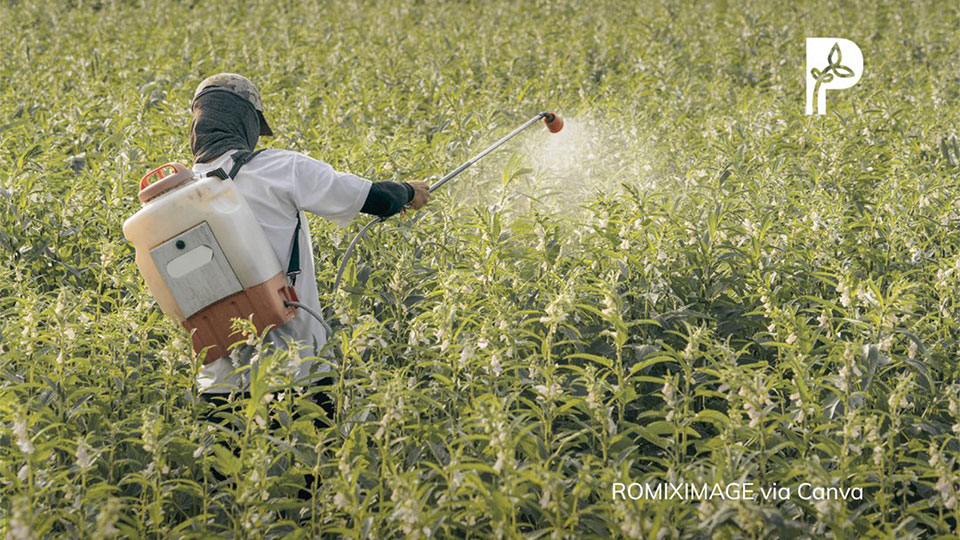
India’s most widely used herbicide, paraquat dichloride, is set to face a nationwide ban following mounting evidence of its severe health risks—including fatal poisoning, kidney failure, and Parkinson’s disease. The move comes after an expert panel of doctors and agricultural scientists recommended its complete prohibition.
Classified as a highly hazardous pesticide (HHP), paraquat has remained in widespread use across India’s farms despite its toxicity. In recent years, calls for a ban have intensified, with states such as Telangana and Odisha imposing temporary restrictions on its sale and distribution.
PAN Asia Pacific commends the Indian government’s decision to ban paraquat. At the same time, we urge policymakers to ensure a just transition for farmers and food producers from chemical-based agriculture to agroecology—a safe, sustainable approach that secures food for communities without reliance on harmful chemicals. Farmer welfare and environmental protection must take precedence over corporate profit, and agricultural companies that profit from manufacturing poison must be held accountable.
As pressure builds from lawmakers, medical associations, and advocacy groups, the paraquat debate highlights a broader reckoning with pesticide regulation in India. In March, Syngenta—one of the major producers of paraquat—announced it will cease production by the end of June. Yet the global call for a complete ban continues, underscoring the urgent need for stronger protections for farmers, communities, and ecosystems worldwide.